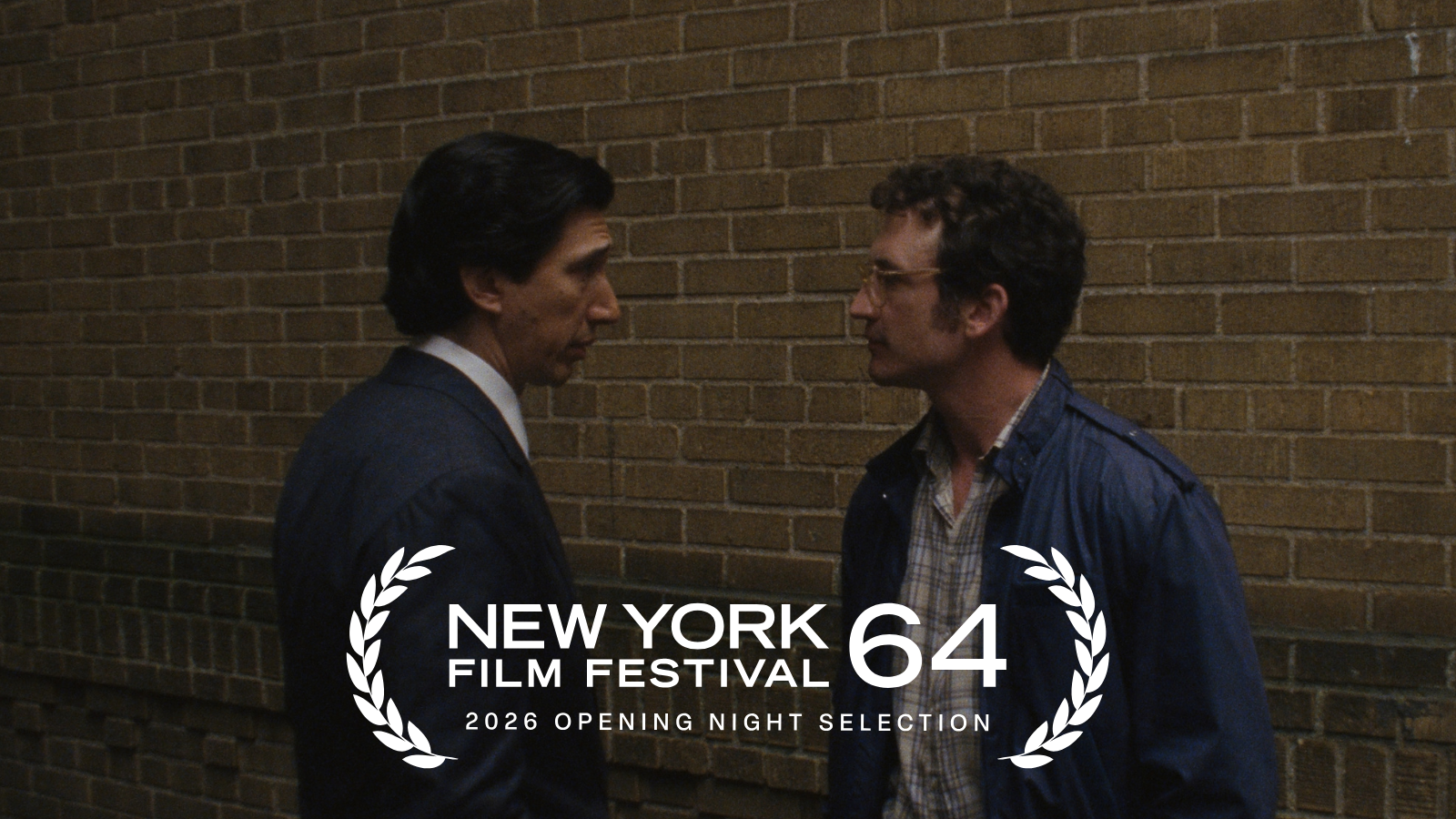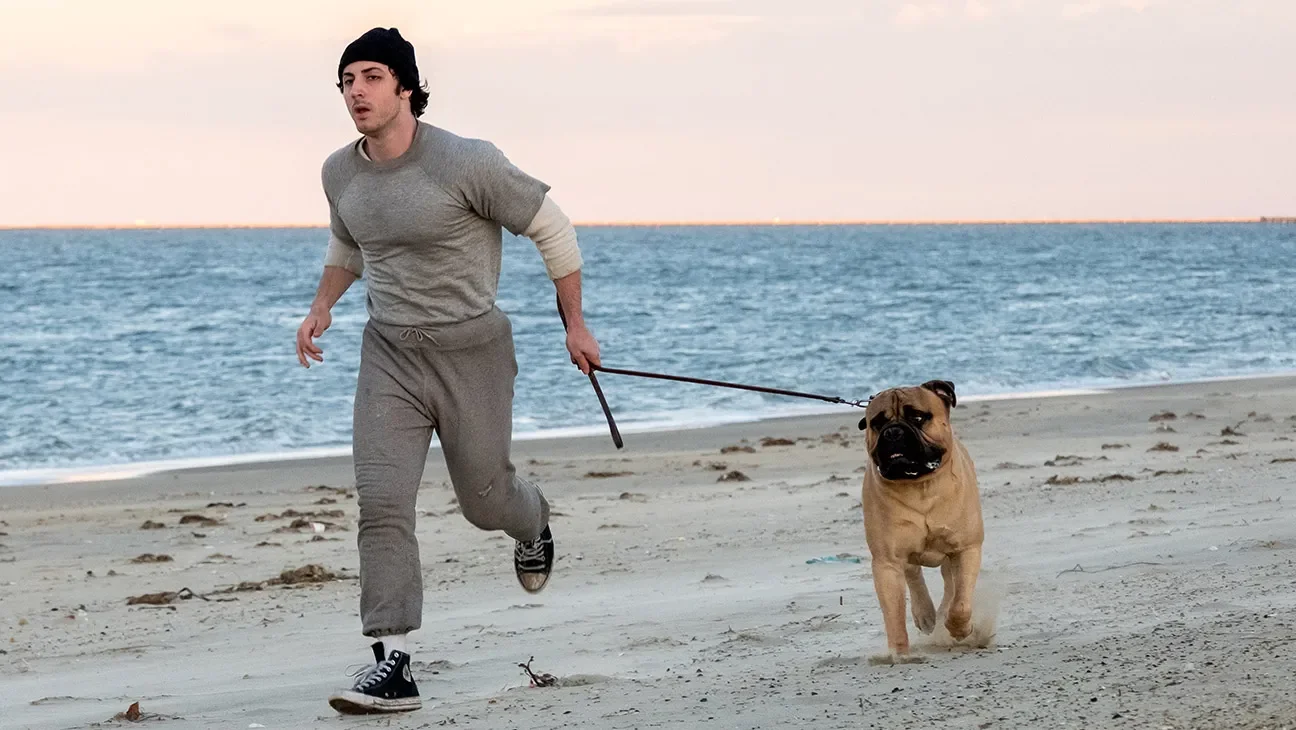
Zoey Deutch and Guillaume Marbeck lead Richard Linklaterâs breezy, cinephile-friendly behind-the-scenes chronicle of Godardâs âBreathless.â
Richard Linklaterâs Nouvelle Vague begins with a cheeky but irresistible promise: âThe story of Godard making Breathless, told in the style and spirit in which Godard made Breathless.â Itâs both a challenge and a cinematic tightrope â one that Linklater, ever the sly formalist, meets not with mimicry, but with admiration, clarity, and a heartfelt embrace of the chaos that changed modern cinema forever. He resists the temptation to ape Godardâs anarchic editing style, choosing instead a more measured and character-forward approach. What results is a witty, detail-rich homage to the French New Wave thatâs as much about the difficulty of breaking rules as it is about the joy of doing so.
While Godardâs Breathless remains synonymous with youthful rebellion, Nouvelle Vague doesnât try to recreate its radical spirit shot for shot. Instead, Linklater distills the story behind the story, crafting a narrative that flows cleanly and cleverly, drawing from traditional biopic structure while winking at the viewer through cinematic in-jokes and affectionate nods. Think The Fabelmans with a Gauloises-scented twist or Me and Orson Welles cast through a cinephileâs lens of Parisian nostalgia. For those who speak the language of jump cuts, Cahiers du Cinéma, and Nouvelle Vague manifestos, itâs a feast. For those who donât, itâs still an accessible, charming, and insightful look at the creative process gone gloriously rogue.

Guillaume Marbeck is a revelation as Jean-Luc Godard. Not only does he nail the posture, cadence, and iconic horn-rimmed silhouette of the young auteur, but he also captures something trickier: the restless tension between self-doubt and arrogance, between radical vision and on-set petulance. His Godard is magnetic and maddening â a chain-smoking provocateur prone to walking off set mid-take or scrapping dialogue minutes before a scene. Zoey Deutch, playing Jean Seberg, proves his perfect foil. Sheâs grounded and incisive, portraying Seberg as a young actress caught between stardom and suspicion, a Midwestern transplant navigating a volatile Parisian film set.
The filmâs ensemble cast adds vibrancy and texture. Aubry Dullin lends an unpredictable charm to Jean-Paul Belmondo, Adrien Rouyard plays cinematographer Raoul Coutard with technical zeal, and Antoine Besson rounds out the Cahiers crew with breezy arrogance. Linklater knows the mythology of this moment â the long days, short tempers, accidental genius â and he mines it for moments both comedic and moving. Scenes of impromptu rewrites on café napkins, equipment breakdowns, and misaligned reels are played with a wry affection, reminding us that some of cinemaâs greatest innovations began as logistical disasters.

Linklaterâs signature is all over the film, not in stylistic mimicry but in thematic consistency. Just as Boyhood charted the quiet evolution of a family over time, and Before Sunrise explored intimacy in fleeting moments, Nouvelle Vague traces the fragile, messy birth of a new cinematic language. His love for process â for rehearsal, misfires, awkward pauses, and happy accidents â permeates every frame. This is not a film about how Breathless changed cinema. Itâs a film about how impossibly difficult it was to make Breathless in the first place, and why the attempt itself became revolutionary.
The craft is extraordinary. David Chambilleâs monochrome cinematography channels Coutard without imitation â smoky, soft-lit, and deeply romantic. Katia Wyszkopâs production design painstakingly reconstructs 1959 Paris, from the cramped Cahiers offices to the Champs-Ãlysées newsstand where Belmondo would once hawk papers. Over 300 VFX shots subtly stitch modern-day Paris into a black-and-white dreamscape, never drawing attention to the illusion. The result is a film that feels lived-in and vibrant, never like a costume party.

While cinephiles will get a kick out of cameos from Truffaut, Rohmer, Rivette, and Chabrol â portrayed with knowing smirks and quiet rivalry â itâs the lesser-known collaborators who shine brightest. Jodie Ruth Forest plays Suzanne Schiffman with quiet determination, offering a feminine counterbalance to the egotistical boysâ club around her. Benjamin Cleryâs portrayal of Pierre Rissient is warm and wearied, providing the production a much-needed adult in the room. Together, these characters underscore a key theme: the New Wave wasnât birthed by one manâs genius, but by a complicated chorus of passion, compromise, and belief in something new.
Linklater is too smart to simply venerate Godard. He allows us to see the filmmakerâs brilliance and his blind spots. Godardâs refusal to play by the rules, to adhere to continuity, to respect the norms of crew or cast â these are shown not just as badges of rebellion but as liabilities. And yet, in the alchemy of cinema, they become part of the legend. Linklater doesnât flatten Godard into myth. He humanizes him, and in doing so, lets us see how close the line between innovation and insufferability really is.
POPULAR ON THE CINEMA GROUP
The film also playfully explores its own paradox: how do you honor cinematic rule-breaking without breaking the rules yourself? Nouvelle Vague is, in many ways, a conventional film about an unconventional one. But Linklater uses that contrast to his advantage. In framing Godardâs creative anarchy through traditional structure, he draws out the drama, the humor, and the enduring resonance of one of cinemaâs most chaotic triumphs.

In the end, Nouvelle Vague is a backstage comedy, a love letter to unruly genius, and a subtle reminder that even revolutionary art starts with a crew trying to get through the day. Itâs not Breathless. But it understands why Breathlessmattered â and why its chaotic spirit still reverberates in every film studentâs dream. Richard Linklater has made a movie about movie-making thatâs both reverent and critical, warm and unsparing, nostalgic yet energized. And for that alone, it deserves a place among the most entertaining and insightful films about the creative process.
RATING: â â â â â
CREDITS
Release Date: Saturday, May 18 | In Theaters TBD
Production Company: Detour Filmproduction
Distribution: Netflix
Cast: Guillaume Marbeck, Zoey Deutch, Aubry Dullin, Adrien Rouyard, Antoine Besson
Director-Screenwriter: Richard Linklater
Producers: Richard Linklater, Holly Gent, Vincent Palmo Jr., Laetitia Masson
Runtime: 1 Hour 49 Minutes
Rated: Not Rated | In Theaters TBD
Watch The Trailer Below:
THE CINEMA GROUP
YOUR PREMIER SOURCE FOR THE LATEST IN FILM AND ENTERTAINMENT NEWS
FOLLOW US FOR MORE

window._taboola = window._taboola || [];
_taboola.push({
mode: ‘alternating-thumbnails-a’,
container: ‘taboola-below-article-thumbnails’,
placement: ‘Below Article Thumbnails’,
target_type: ‘mix’
});