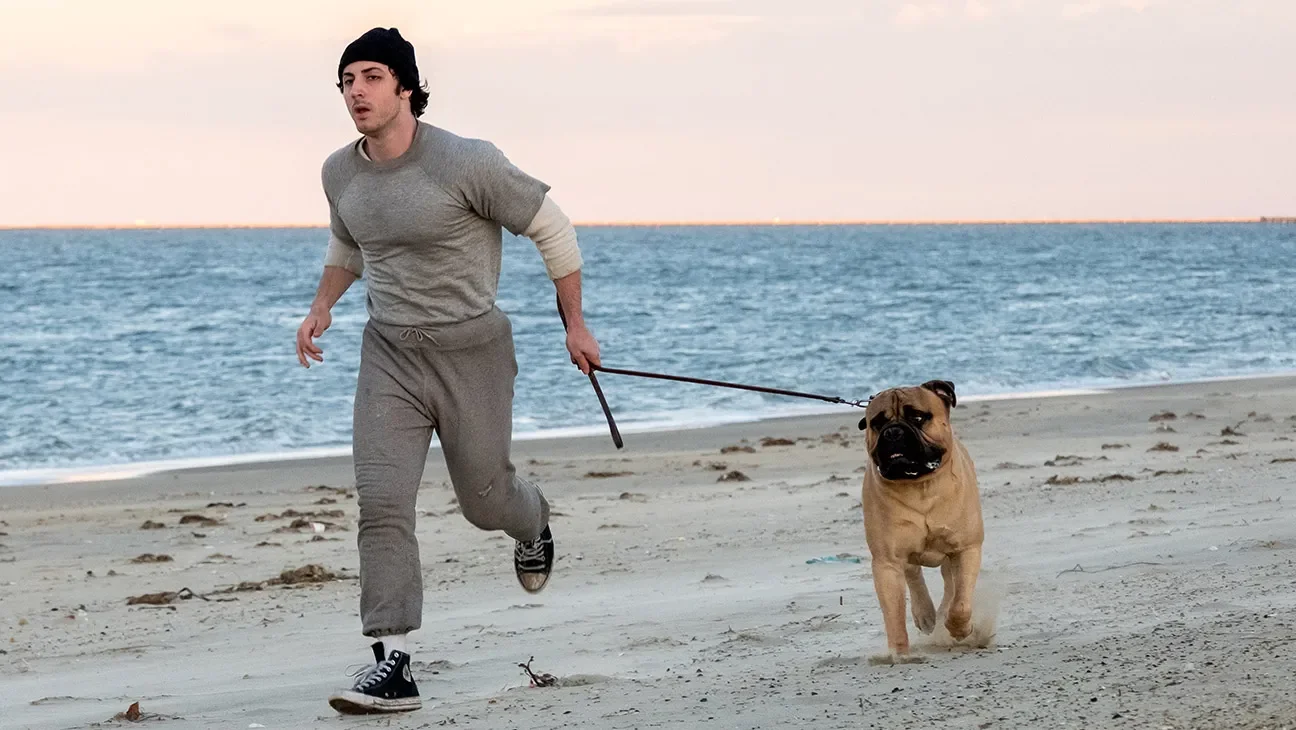
Josh Greenbaumâs comedy documentary is funniest when it lets SNL legends break down the strange art of playing presidents, but its narrow focus keeps a promising subject from becoming a sharper cultural history.
Josh Greenbaumâs âPlaying POTUSâ has a terrific subject sitting right in front of it. American presidents have always been public figures, political symbols and targets for parody, but in the television age they also became characters. Their gestures, voices, flaws, verbal tics and most embarrassing public moments were filtered through comedians until, for many viewers, the impression became almost as familiar as the person being impersonated. That is a rich premise for a documentary, especially at a moment when politics, celebrity, satire and media perception feel almost impossible to separate.
The problem is not that âPlaying POTUSâ lacks entertainment value. Greenbaum is too skilled a filmmaker, and his interview subjects are too funny, for the movie to ever feel dull. The director of âBarb and Star Go to Vista Del Mar,â âToo Funny to Failâ and âWill & Harperâ clearly understands comic performers and knows how to create a comfortable space for them to talk about process. When Dana Carvey, Will Ferrell, Darrell Hammond, Kate McKinnon, Keegan-Michael Key and others discuss how they built their impressions, what they exaggerated, what they avoided and what they learned from the publicâs response, the film is lively, insightful and easy to enjoy.
It is also much more limited than its title suggests.
Although âPlaying POTUSâ presents itself as a broader look at the history of presidential impersonation, the documentary is overwhelmingly shaped around âSaturday Night Live.â That is understandable to a point. No television institution has done more to shape the modern comic image of American presidents, and many of the most famous presidential impressions of the last half-century came through Studio 8H. Chevy Chaseâs Gerald Ford, Carveyâs George H.W. Bush, Ferrellâs George W. Bush, Hammond and Alec Baldwinâs Donald Trump, McKinnonâs Hillary Clinton and Maya Rudolphâs Kamala Harris all became part of the larger public conversation around politics and performance.
As an SNL-focused documentary, the film works.
Greenbaum gets strong material from the performers reflecting on how these impressions came together. Carvey remains particularly good on the strange alchemy of his George H.W. Bush, a performance that was never really an exact imitation so much as a comic construction that eventually became more recognizable than reality. Ferrell is generous about the absurd confidence and frat-house simplicity that turned his George W. Bush into one of the showâs defining political impressions. Hammond speaks with the precision of someone who treats impersonation as craft, while McKinnon brings genuine emotion to the section on Hillary Clinton, especially in the aftermath of the 2016 election.
The documentary is strongest when it examines how impressions can create a kind of comic double that competes with the real person in public memory. Political satire is not journalism, but it can become a shorthand for public perception. Once audiences accept a comic version of a president, the joke starts to shape how the actual figure is viewed. That idea gives âPlaying POTUSâ its most interesting thread, and Greenbaum occasionally gets close to something substantial about the relationship between comedy and electoral politics.
Those moments make the filmâs blind spots more frustrating. If the subject is truly presidential impersonation, then the documentary leaves enormous territory unexplored. Animated satire, late-night comedy outside SNL, sketch shows beyond Lorne Michaelsâ orbit, digital comedy, viral impressions and film portrayals of presidents all deserve more attention than they receive. âThe Simpsons,â âSouth Park,â âIn Living Color,â âMad TV,â âThatâs My Bush!,â political roasts, online lip-sync satire and comedic films about named presidents could have complicated the filmâs argument in useful ways. Instead, many of them are ignored entirely or treated as passing footnotes.
The absence is especially noticeable because the film briefly opens the door to a wider history. Its early section on John F. Kennedy impersonator Vaughn Meader and the Grammy-winning comedy record âThe First Familyâ suggests that âPlaying POTUSâ might situate presidential parody within a larger American tradition. That framing is fascinating, but the movie races away from it too quickly. Once it arrives at SNL, it mostly stays there.
That choice gives the documentary a clarity it might otherwise lack, but it also makes the title feel misleading. The story being told is less about the full history of playing presidents and more about the SNL version of that history. There is value in that version, but it is not the whole story. Greenbaum seems aware of the broader possibilities, yet the film rarely pursues them with the curiosity or rigor needed to turn a fun documentary into a meaningful one.
POPULAR ON THE CINEMA GROUP
Even within its SNL-centered approach, some gaps stand out. The film discusses unsuccessful impressions and the difficulty of finding the right comic entry point for presidents like Barack Obama and Joe Biden, which is genuinely interesting. It also spends time on non-presidential political figures like Sarah Palin, Hillary Clinton and Kamala Harris, even though that widens the premise in a way the documentary never fully justifies. Those sections produce good anecdotes and sharp observations, but they also raise the question of why so many other political-comedy contexts are left untouched.
Greenbaum also underplays one of the most important modern shifts in political impersonation: the internet. Donald Trumpâs political rise coincided with a media environment in which impressions, parodies, memes and clips could spread faster than any single television sketch. The documentary acknowledges Trump as a subject of SNL parody, but it does not do enough with the way digital platforms changed political comedyâs speed, reach and authorship. A performer like Sarah Cooper, whose Trump lip-sync videos became a viral phenomenon, would seem essential to any contemporary conversation about presidential impersonation, even if her moment was brief. Her absence points to the filmâs larger inability to see beyond older institutional comedy structures.
Still, âPlaying POTUSâ remains an enjoyable watch because the performers are so good at talking about what they do. There is real pleasure in hearing comedians explain how they locate the comic essence of a public figure. The best impressions are rarely exact replicas. They are arguments. They isolate a truth, exaggerate it and repeat it until the audience starts to believe that is the person. That process can be silly, but it is also strangely powerful.
The film understands that much, even if it does not push the idea as far as it could. Greenbaum has a natural feel for rhythm, and the documentary moves easily across decades of sketches, interviews and archival moments. At 93 minutes, it never overstays its welcome. It is funny, accessible and filled with enough familiar faces to satisfy viewers looking for a polished comedy-history primer.
What it lacks is ambition equal to its subject.
âPlaying POTUSâ could have been a sharper exploration of how presidents become characters, how satire influences public memory and how comedy helps a country process power. Instead, it settles for being a pleasant and occasionally revealing tour through a familiar corner of television history. That is not nothing, especially with this much talent involved. But the documentary leaves the impression that the full story of presidential impersonation is still waiting for someone to tell it.
RATING: â â â ââ
CREDITS
Release Date: Sat June, 6, 2026 @ 5:00 PM [World Premiere]
Cast: Dana Carvey, Will Ferrell, Darrell Hammond, Keegan-Michael Key, Kate McKinnon, Alec Baldwin, Chevy Chase, Will Forte, Seth Meyers, Rich Little
Director: Josh Greenbaum
Based on: Playing POTUS: The Power of Americaâs âActing Presidentsâ by Peter Funt
Festival: Tribeca Festival Spotlight+
Run Time: 1 Hour 33 Minutes
Rating: Not Yet Rated

| FEATURES | INTERVIEWS | REVIEWS | The Catalogue | TRENDING | TRAILERS | VIDEOS |
THE CINEMA GROUP
YOUR PREMIER SOURCE FOR THE LATEST IN FILM AND ENTERTAINMENT NEWS
FOLLOW US FOR MORE
window._taboola = window._taboola || [];
_taboola.push({
mode: ‘alternating-thumbnails-a’,
container: ‘taboola-below-article-thumbnails’,
placement: ‘Below Article Thumbnails’,
target_type: ‘mix’
});