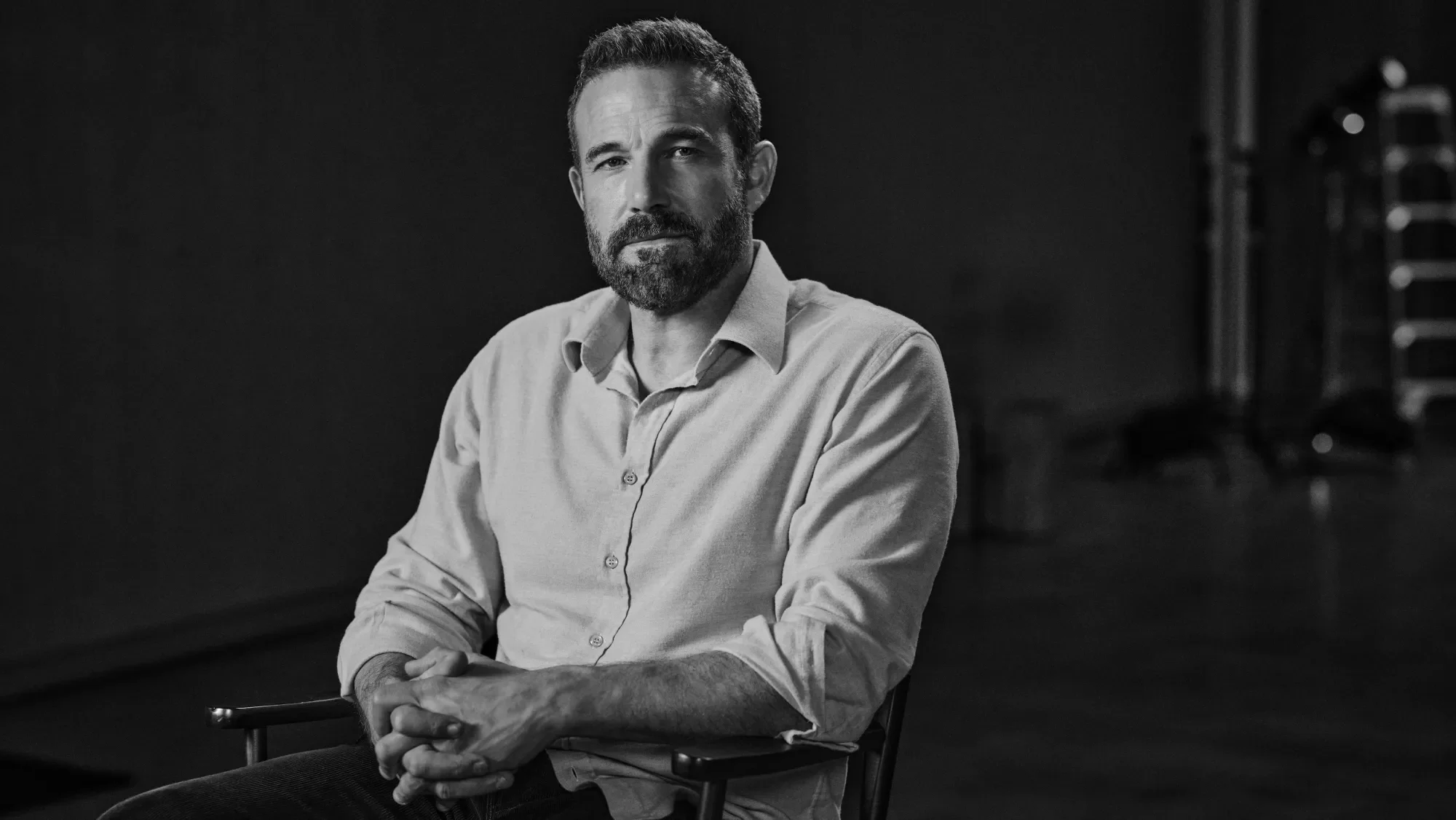
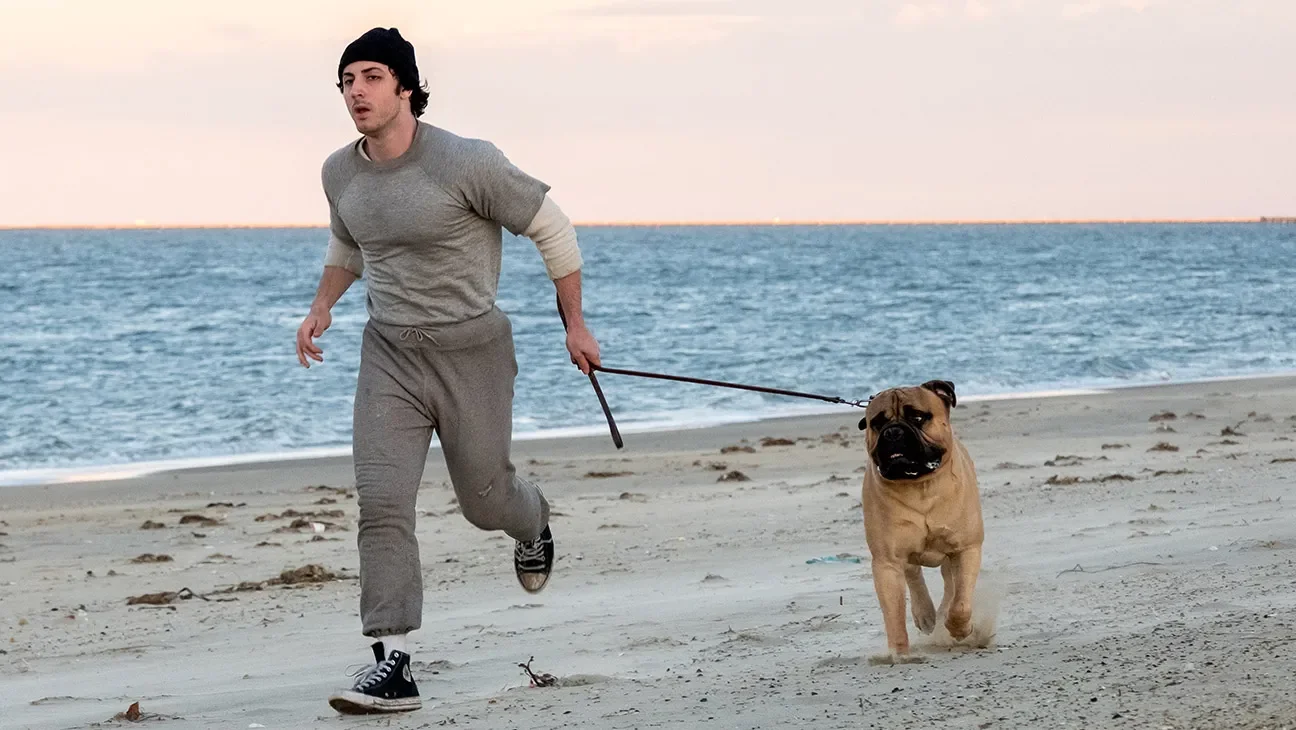
The actor who made Mark Sloan unforgettable leaves behind a legacy of charisma, vulnerability and quiet resilience.
Eric Dane, the actor forever etched into television history as Dr. Mark âMcSteamyâ Sloan on Greyâs Anatomy, has died at the age of 53 after a battle with ALS. News of his passing landed like a gut punch across Hollywood and among the millions of fans who grew up watching his particular brand of magnetic, easygoing charm light up the screen. For many viewers, Dane wasnât just another TV heartthrob â he was part of the emotional fabric of peak network television, a performer who understood how to balance swagger with surprising depth.
In the years since his Greyâs Anatomy breakthrough, Daneâs career evolved in fascinating and sometimes underappreciated ways. But at the center of his legacy was always the same quality: an openness that made even his most flawed characters feel human. Off-screen, by nearly every account, he carried that same warmth. Within the industry, he was widely regarded as one of the genuinely kind figures working steadily in a business not always known for gentleness.
Born Eric William Melvin in San Francisco on November 9, 1972, Daneâs path to stardom was anything but preordained. His father died when he was just seven years old, a loss that quietly shaped much of his emotional grounding. Raised by his mother alongside his younger brother, Dane initially gravitated toward athletics, playing water polo in high school before a last-minute turn toward acting changed the trajectory of his life.
That pivot proved fateful. After moving to Los Angeles, Dane spent the early 1990s doing what many working actors do: grinding through guest spots and small roles. He appeared in episodes of Saved by the Bell, The Wonder Years, Married⦠with Children and Roseanne â the kind of résumé that builds craft but rarely guarantees fame. Still, even in those early appearances, there was a noticeable screen ease, a comfort in front of the camera that casting directors clearly clocked early.
His first meaningful foothold came with the short-lived medical drama Gideonâs Crossing in 2000. While the series itself didnât become a cultural force, it gave Dane valuable experience in the genre that would later define his career. More importantly, it placed him in the orbit of network drama â the ecosystem where he would eventually thrive.
A more visible step forward arrived when Dane joined Charmed in 2003 as Jason Dean, Phoebe Halliwellâs boyfriend and boss. The role allowed him to lean into romantic leading-man energy, and audiences responded. But nothing in those early years hinted at just how seismic his next move would be.
That moment came in 2006.
When Dane first appeared on Greyâs Anatomy midway through its second season, it was technically meant to be brief. Mark Sloan entered the story as Derek Shepherdâs charming but morally questionable best friend â the man who had famously slept with Addison Montgomery. It was classic Shondaland soap architecture: messy, sexy, combustible.

Then came the towel.
In one of the most instantly iconic character introductions in modern television, Dane emerged from a steamy bathroom wearing nothing but a strategically placed towel. The scene lasted seconds. The impact lasted years. Almost overnight, âMcSteamyâ became part of the pop culture lexicon, and Dane â originally booked for a short arc â was promoted to series regular.
What followed was an eight-year run that helped define Greyâs Anatomy at its commercial peak. Across more than 130 episodes, Dane transformed Mark Sloan from a cocky womanizer into one of the showâs most emotionally layered figures. It was not an easy needle to thread. Mark could have easily remained a one-note archetype â the handsome plastic surgeon with a roguish grin.
Instead, Dane found the vulnerability.
His chemistry with Chyler Leighâs Lexie Grey became one of the seriesâ most beloved slow-burn romances, giving the character unexpected emotional gravity. Where lesser performers might have leaned only into charm, Dane allowed Markâs insecurities, regrets and capacity for love to surface gradually. By the time the character met his tragic end following the Season 8 plane crash, audiences werenât just losing a heartthrob. They were losing someone they had come to genuinely care about.
https://creator.expediagroup.com/products/widgets/assets/eg-widgets.js
Behind the scenes, however, Dane was navigating his own challenges. He later spoke candidly about struggles with addiction and the overwhelming pressure that came with sudden fame. In a refreshingly honest reflection years later, he acknowledged that the version of himself who had been hired was not always the version who remained by the end of his run.
That honesty became a defining part of his public persona: never overly polished, never pretending to have it all figured out.
After departing Greyâs Anatomy in 2012, Dane entered what many television actors experience after an iconic role â the complicated second act. But rather than chase another obvious network heartthrob part, he pivoted into more grounded material.
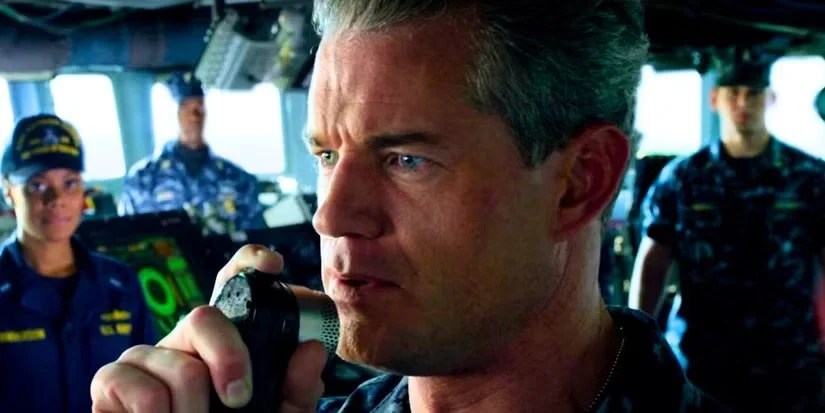
His next major chapter came with TNTâs The Last Ship, where he played Captain Tom Chandler from 2014 to 2018. The role allowed Dane to shed the glossy Seattle Grace image and lean into something more weathered and authoritative. As the leader of a naval destroyer navigating a global pandemic, he carried the series with a steadiness that proved he was more than the nickname that made him famous.
The show ran for five seasons, quietly cementing Daneâs reputation as a dependable dramatic lead.
Then came perhaps his most surprising late-career reinvention.
When Dane joined HBOâs Euphoria as Cal Jacobs, the emotionally volatile father of Jacob Elordiâs Nate, he delivered some of the most complex work of his career. Cal was messy, morally compromised and deeply human â exactly the kind of layered adult role that often eludes actors once branded early.

Dane did not play Cal for sympathy. He played him for truth.
Across the showâs first two seasons, he revealed a performer willing to interrogate masculinity, repression and regret with uncomfortable honesty. It was the kind of work that reminded critics and audiences alike that Dane had always possessed far more range than his early branding suggested.
POPULAR ON THE CINEMA GROUP
His film work, while less central to his legacy, included notable appearances in X-Men: The Last Stand, Marley & Me and Garry Marshallâs Valentineâs Day. None became defining showcases, but they reinforced his steady presence across both television and studio features.
In his final years, Dane continued working even as ALS began to reshape his physical reality. He revealed his diagnosis publicly in April 2025 and quickly became an advocate for awareness and research. According to his representatives, he died surrounded by his wife Rebecca Gayheart and daughters Billie and Georgia, the family who remained at the center of his life.
Those who worked with him consistently describe the same man: generous with crews, disarmingly funny between takes, and deeply appreciative of the career he built. In an industry that often rewards ego, Daneâs reputation for kindness stands out just as much as his on-screen work.

It is easy, in moments like this, to reduce a career to its most famous nickname. But Eric Daneâs legacy is richer than âMcSteamy.â He was part of the last great era of appointment television, a performer who helped anchor one of ABCâs most dominant dramas, and an actor who quietly kept evolving long after many assumed they had him figured out.
Most of all, he was â by every credible account â a genuinely good guy.
And in Hollywood, that might be the rarest legacy of all.
THE CINEMA GROUP
YOUR PREMIER SOURCE FOR THE LATEST IN FILM AND ENTERTAINMENT NEWS
FOLLOW US FOR MORE

window._taboola = window._taboola || [];
_taboola.push({
mode: ‘alternating-thumbnails-a’,
container: ‘taboola-below-article-thumbnails’,
placement: ‘Below Article Thumbnails’,
target_type: ‘mix’
});