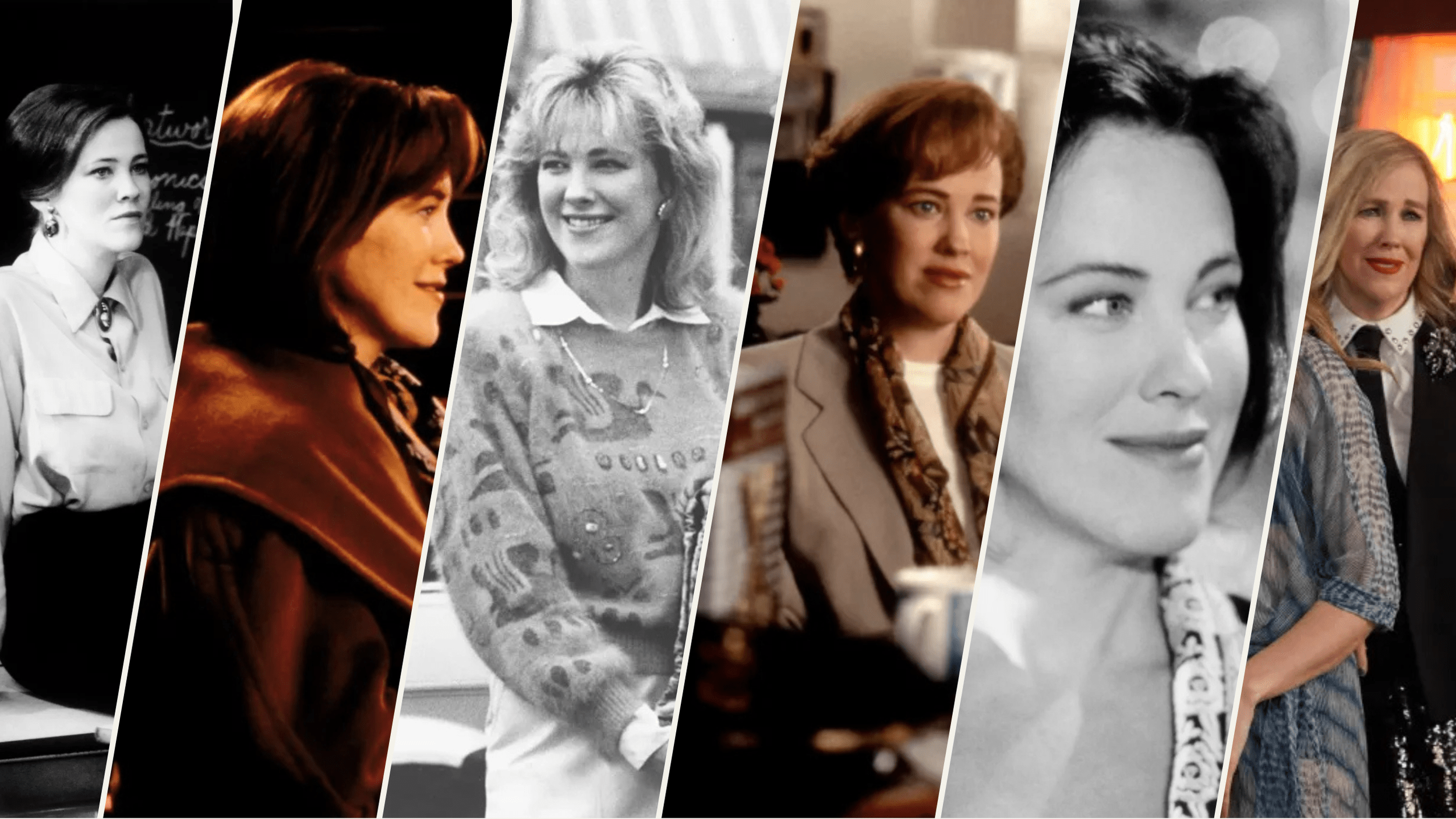
From SCTV to Schittâs Creek, Catherine OâHara built one of the most singular careers in comedy â fearless, precise, and endlessly human.
Catherine OâHara, one of the most distinctive comic performers of the last half-century, has died. Her career â spanning sketch comedy, studio films, prestige television, and auteur collaborations â leaves behind a body of work defined by precision, generosity, and an uncanny ability to make the absurd feel deeply personal.
OâHara first emerged as a defining voice of Canadian comedy on SCTV, where her range was immediately apparent. Whether parodying Katharine Hepburn, skewering soap opera melodrama, or anchoring ensemble chaos alongside John Candy, Eugene Levy, Andrea Martin, Rick Moranis, and Martin Short, she revealed an instinct for character work that never leaned on easy punchlines. Even at her broadest, her performances were rooted in psychological specificity.
That sensibility carried into film throughout the 1980s and â90s, where OâHara became a secret weapon in both mainstream comedies and idiosyncratic ensemble pieces. She was unforgettable as Delia Deetz in Beetlejuice, giving Tim Burtonâs gothic satire a sharp-edged maternal presence that balanced hysteria with emotional clarity. Her collaborations with Burton extended into animation, where her voice work further showcased her ability to suggest interior life through rhythm and restraint.
To a generation of audiences, OâHara became synonymous with exasperated parental devotion as Kate McCallister in Home Alone and Home Alone 2: Lost in New York. What could have been a stock comic role became something warmer and more grounded through her performance â panic, guilt, love, and resolve playing simultaneously across her face as the films escalated into farce.
Her most enduring creative partnership may have been with Christopher Guest, whose improvisational mockumentaries allowed OâHara to operate at the peak of her powers. In Waiting for Guffman, Best in Show, A Mighty Wind, and For Your Consideration, she crafted characters that were hilarious not because they were ridiculous, but because they were painfully sincere. Whether as the delusional Cookie Fleck or the yearning Mickey Crabbe, OâHara located the emotional cost of ambition, performance, and self-deception â often delivering the funniest line in the room without ever seeming to chase it.
Late in her career, OâHara experienced a rare second act that reframed her legacy for a new generation. As Moira Rose on Schittâs Creek, she delivered one of the most iconic television performances of the 21st century â a character of operatic affectations, baroque costuming, and startling vulnerability. The role earned her an Emmy and cemented Moira as a cultural figure, but the performance itself was a masterclass in modulation: every vowel stretched, every gesture deliberate, every emotional turn grounded in longing and fear.
POPULAR ON THE CINEMA GROUP
In recent years, OâHara continued to seek out work that played against expectation. She appeared in Appleâs The Studio, brought gravitas to The Last of Us, and reprised Delia Deetz in Beetlejuice Beetlejuice, demonstrating that her screen presence never dulled, never calcified into nostalgia.
Across genres and decades, Catherine OâHaraâs greatest gift was her refusal to condescend to comedy. She played foolishness without mockery, ambition without cruelty, and eccentricity without caricature. The characters she created remain vivid not because they were loud, but because they were truthful.
Below, we revisit her extraordinary career â a timeline of performances that shaped modern screen comedy and left an indelible mark on film and television.


THE CINEMA GROUP
YOUR PREMIER SOURCE FOR THE LATEST IN FILM AND ENTERTAINMENT NEWS
FOLLOW US FOR MORE

window._taboola = window._taboola || [];
_taboola.push({
mode: ‘alternating-thumbnails-a’,
container: ‘taboola-below-article-thumbnails’,
placement: ‘Below Article Thumbnails’,
target_type: ‘mix’
});