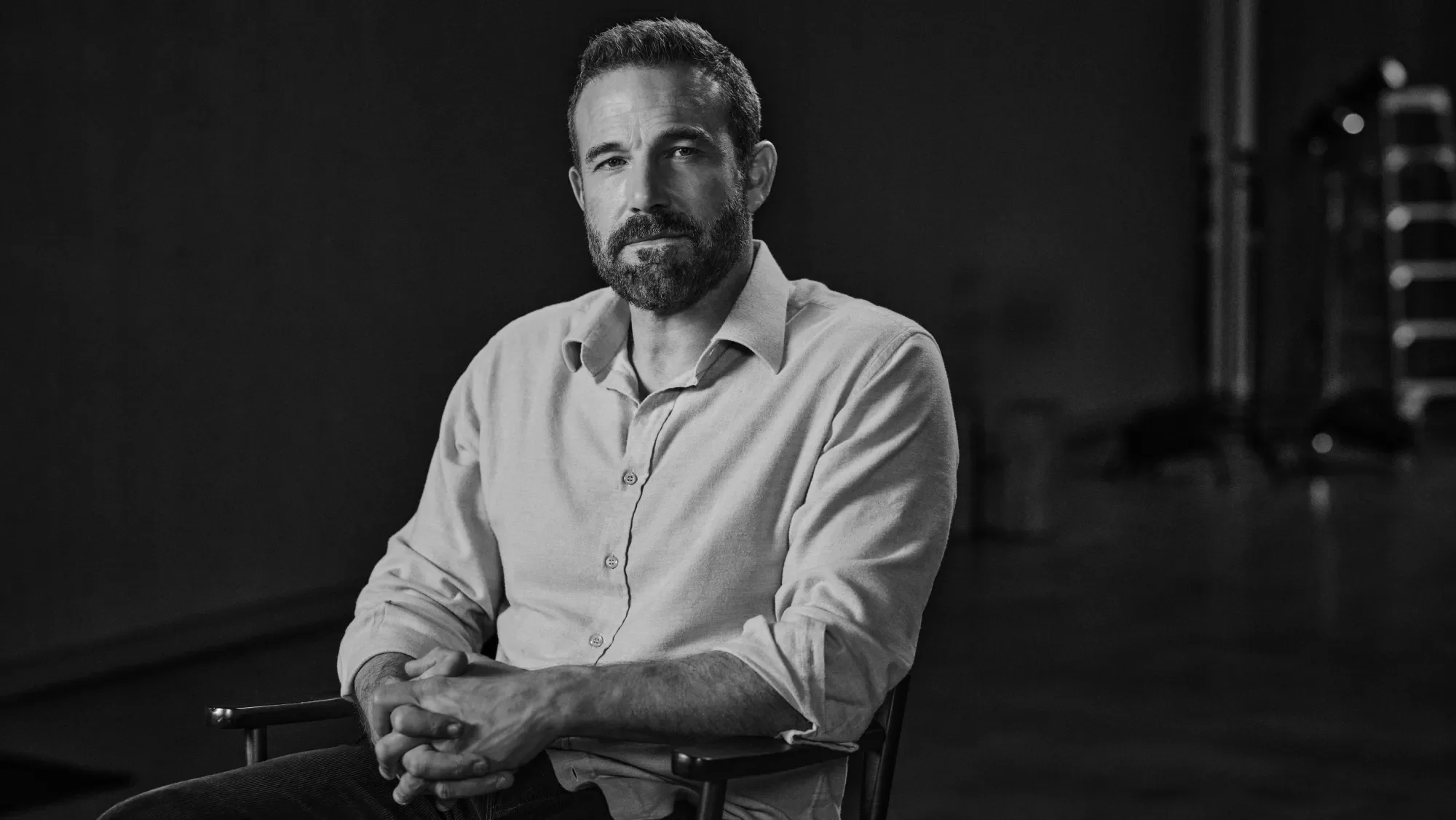
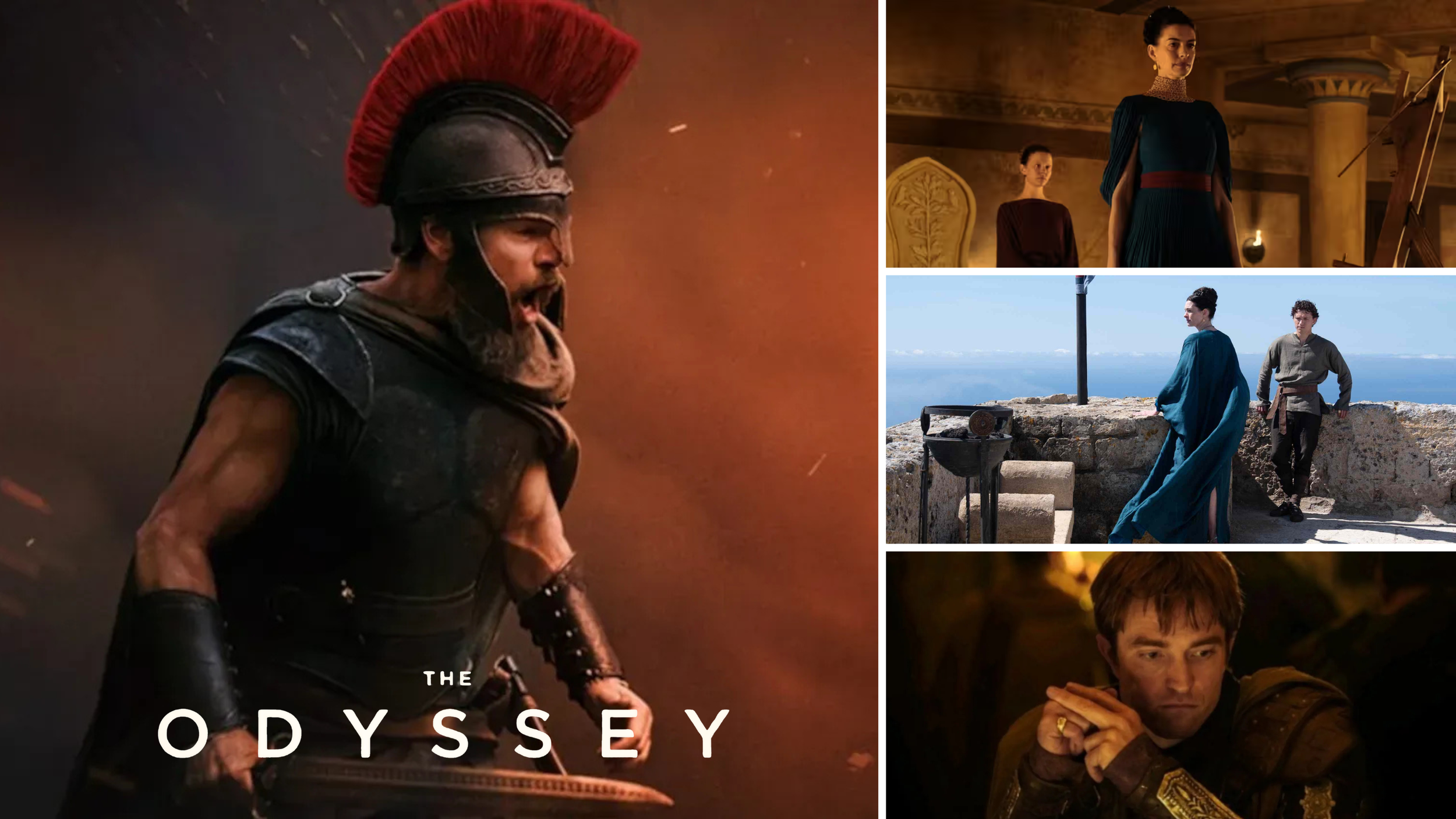
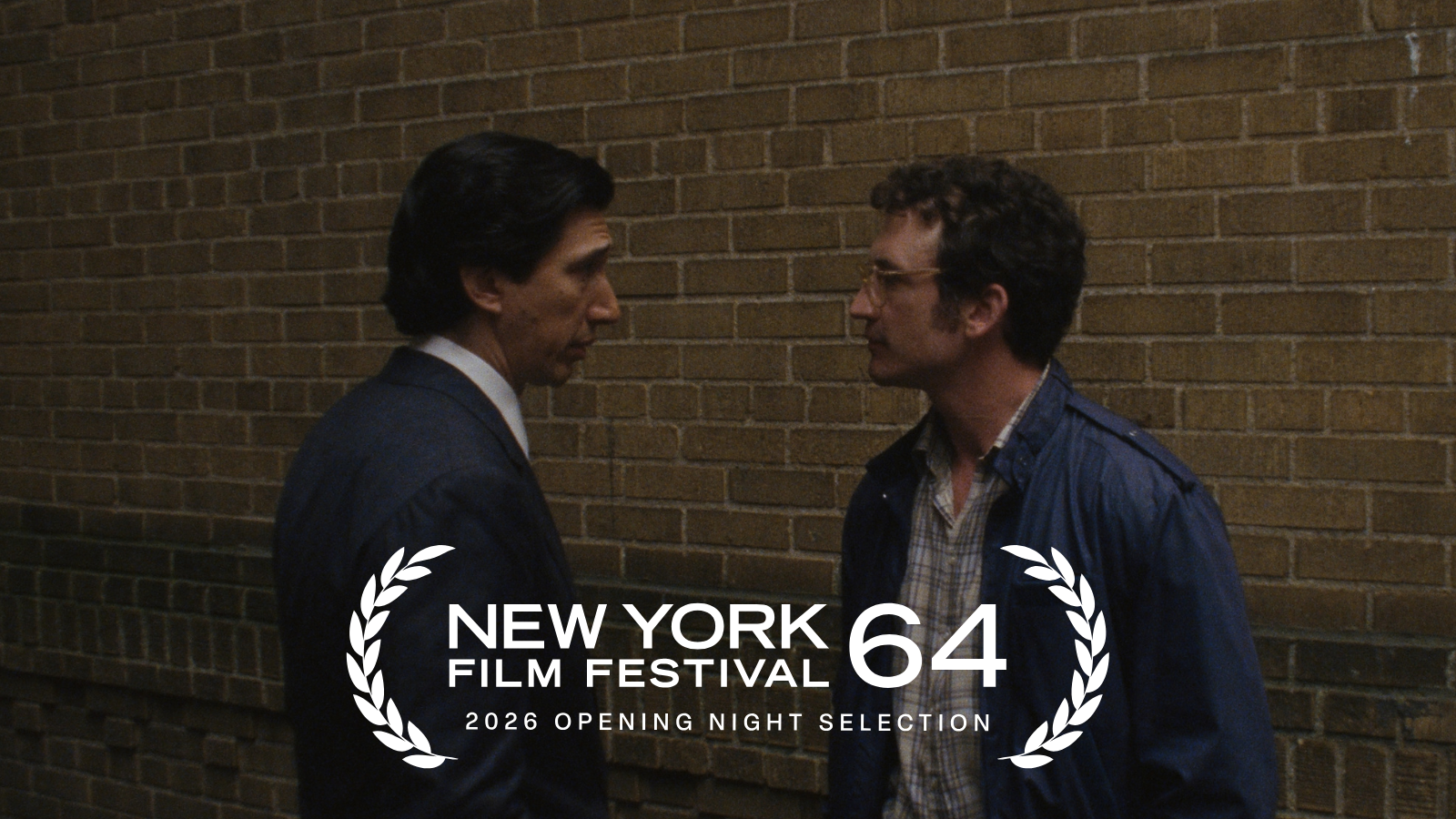
HBO is rebuilding itself with unprecedented clarity, even as its parent company faces the most unpredictable ownership landscape in modern Hollywood.
Warner Bros. Discovery is, once again, a company negotiating its future in full public view. The possibility of a sale â long rumored, now openly discussed by insiders â has become the backdrop to every strategic move the company makes. And hovering just behind the uncertainty is the rising influence of Saudi Arabiaâs Public Investment Fund (PIF), whose growing appetite for global media and entertainment stakes has become an unignorable factor for executives across town. While no one at WBD will speak directly about the PIFâs intentions, the concern is present in every conversation: what happens to the future of HBO if the company lands in the hands of an investor whose ambitions are commercial, political, or cultural in ways Hollywood has never navigated before?
In that atmosphere of corporate volatility, Casey Bloys is doing something counterintuitive: he is rebuilding HBO slowly, intentionally, and with an almost defiant clarity. Instead of adjusting to the turbulence around him, heâs doubling down on identity â the very thing HBO lost during the chaos of the HBO Max years, the rebrand to âMax,â and the volume-driven scramble to compete with Netflix.
The pivot Bloys is leading is not loud, not flashy, and not algorithmic. It is structural. If the parent company may be sold, HBO will not be. Not culturally. Not creatively. Not philosophically. Bloysâ work positions HBO as the part of WBD that cannot be compromised, and therefore the part that determines whether WBD is still WBD in the years to come.
THE SALE EVERYONE IN HOLLYWOOD IS ALREADY TALKING ABOUT

Inside WBD, executives wonât publicly confirm sale discussions â but privately, practically everyone acknowledges that the company is preparing for the possibility. PIFâs increasing foothold in global entertainment â from esports to film festivals to studio investments â has fueled speculation that Saudi Arabia could become a significant player in any future acquisition or capital event involving WBD.
The anxiety isnât paranoia. PIF has spent years acquiring assets across international sport, fashion, entertainment, and tech, positioning itself as one of the most aggressively expansionist investors in the world. Its interest in Hollywood is neither theoretical nor subtle. And the implications are complicated. A future in which WBD is partly or wholly influenced by a sovereign wealth fund introduces questions about governance, creative autonomy, journalistic independence, and whether prestige storytelling can truly remain insulated from external agendas.
This is where Bloysâ strategy becomes more than brand stewardship. It becomes cultural defense. HBOâs identity â the rigor of its development, the care taken with its originals, the respect for its creators â is the shield. The stronger the identity, the harder it is for external pressures to reshape the brand. Bloysâ approach acknowledges the reality of the moment without reacting fearfully to it.
If anything, the uncertainty has sharpened HBOâs focus.
A RETURN TO THE HBO THAT MADE HBO

Amid the speculation, Bloys is pushing forward with a programming vision that reads like a restoration project â not nostalgic, but deliberate. He is rebuilding the companyâs storytelling spine, using renewals and strategic greenlights as declarations of values.
According to the company, HBOâs renewed slate is built around two pillars: the IP tentpoles that anchor Maxâs scale, and the HBO Originals that sustain its cultural authority.
Bloys announced renewals for House of the Dragon and A Knight of the Seven Kingdoms, ensuring that the Game of Thrones universe maintains a yearly cadence through at least 2028. These shows â massive, expensive, and deeply rooted in fan culture â serve as the stabilizing force for Max, offsetting the loss of many theatrical films due to shifting output deals.
But the real heart of HBOâs revival lies in the originals: the daring, author-driven series that defined the network before streaming rewired the business. With Curb Your Enthusiasm closed but Larry David returning in a new comedy series with the Obamas; with legacy voices like Lena Dunham and Issa Rae giving way to new ones like Rachel Sennott; with Euphoria returning after catapulting half its cast into film careers; and with adult dramas like The White Lotus, Task, and the upcoming DTF St. Louis pushing forward with ambition, HBO is reasserting the point of view that distinguished it from every other network.
Bloys describes that vision simply: HBO looks for a point of view â a voice that cannot be mistaken for anything else. In his view, the network has always been strongest when writer-performers and auteurs define the tone. He cites Gary Shandling, Larry David, Lena Dunham, Issa Rae, and Danny McBride as the lineage he trusts. The networkâs future depends on extending that lineage.
THE LONG SEASON COMEBACK

One of the most surprising components of this new era is Bloysâ interest in expanding season length â a return to the long-form structure that defined television before streaming compressed everything into eight-episode arcs. When he started in the industry, seasons were 26 episodes. Then they standardized at 22. Now they hover around eight or ten, a structure he believes limits the scope of character universes and creative development pipelines.
Bloys argues that longer seasons â like the 15-hour world-building in the upcoming series The Pitt â are not relics but opportunities. They generate richer characters. They build stronger internal ecosystems. And critically, they train the next generation of showrunners. The craft of telling 15 hours of compelling television is very different from designing eight self-contained climax points. It demands stamina, clarity, and broader narrative architecture. HBO wants to rebuild that muscle.
It is not nostalgia. It is infrastructure.
THE HBO EFFECT
What emerges from this moment is a surprisingly coherent picture: HBO is settling into the identity that once made it untouchable. Bloys is reviving the ethos behind the old tagline â âItâs not TV. Itâs HBO.â â while accepting that streaming is now the method of delivery. He believes people arenât watching streaming. Theyâre watching HBO Max. The distinction is philosophical, not technical.
POPULAR ON THE CINEMA GROUP
It explains why the brand still carries cultural trust even after years of corporate upheaval. Viewers may not watch every show, but they trust every show. The question isnât whether a series becomes their favorite â itâs whether it belongs to a system defined by excellence
THE FUTURE, IF THE FUTURE COOPERATES

None of this resolves the uncertainty surrounding the companyâs ownership, nor does it neutralize the industryâs concerns about Saudi investment, foreign influence, or a sale that could reshape the entire entertainment landscape. But Bloys has positioned HBO as the stabilizing force inside an unstable corporation.
If WBD is sold, HBO will be the piece that buyers want most â not for its library, but for its identity.
If PIF expands its influence, HBO is the part of the company most firmly rooted in cultural independence.
And if Hollywood enters another decade of chaos, HBO will survive the same way it always has: by knowing exactly who it is.
In a streaming world obsessed with being everything, HBOâs refusal to be anything but itself may be the most powerful strategy left.
THE CINEMA GROUP
YOUR PREMIER SOURCE FOR THE LATEST IN FILM AND ENTERTAINMENT NEWS
FOLLOW US FOR MORE

window._taboola = window._taboola || [];
_taboola.push({
mode: ‘alternating-thumbnails-a’,
container: ‘taboola-below-article-thumbnails’,
placement: ‘Below Article Thumbnails’,
target_type: ‘mix’
});