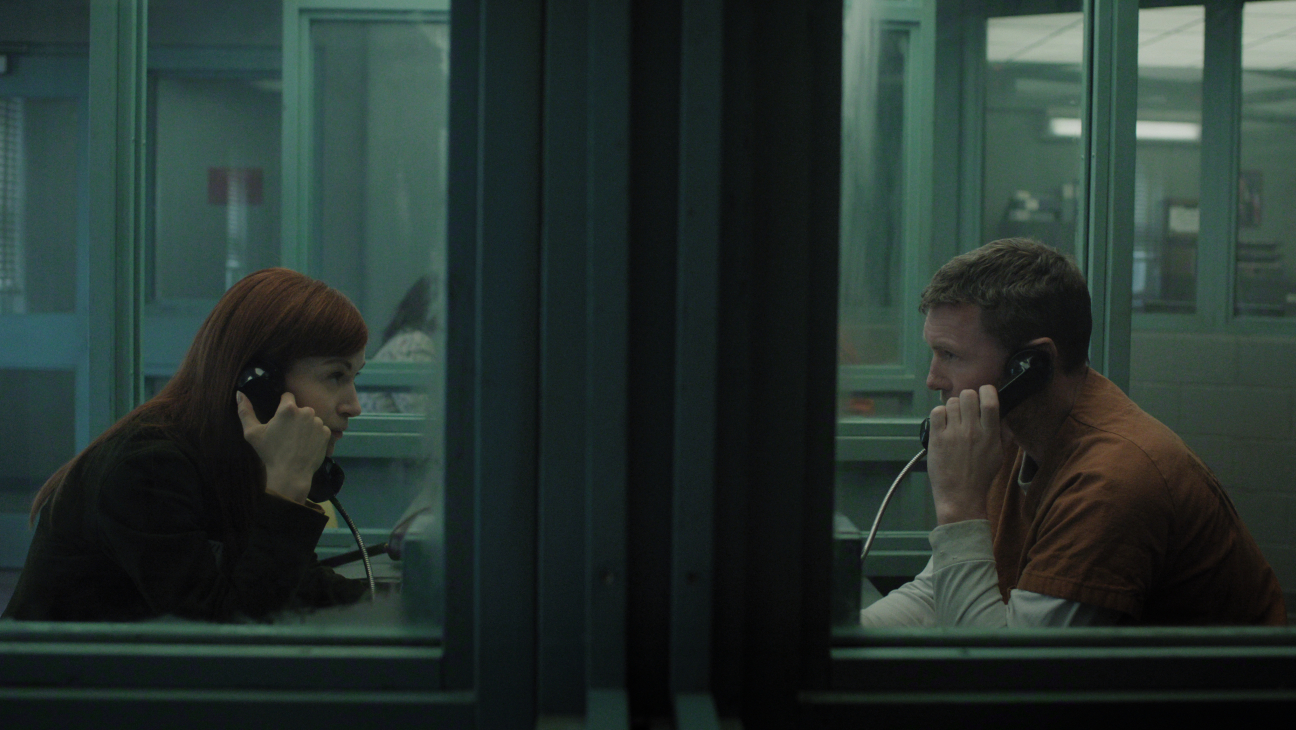
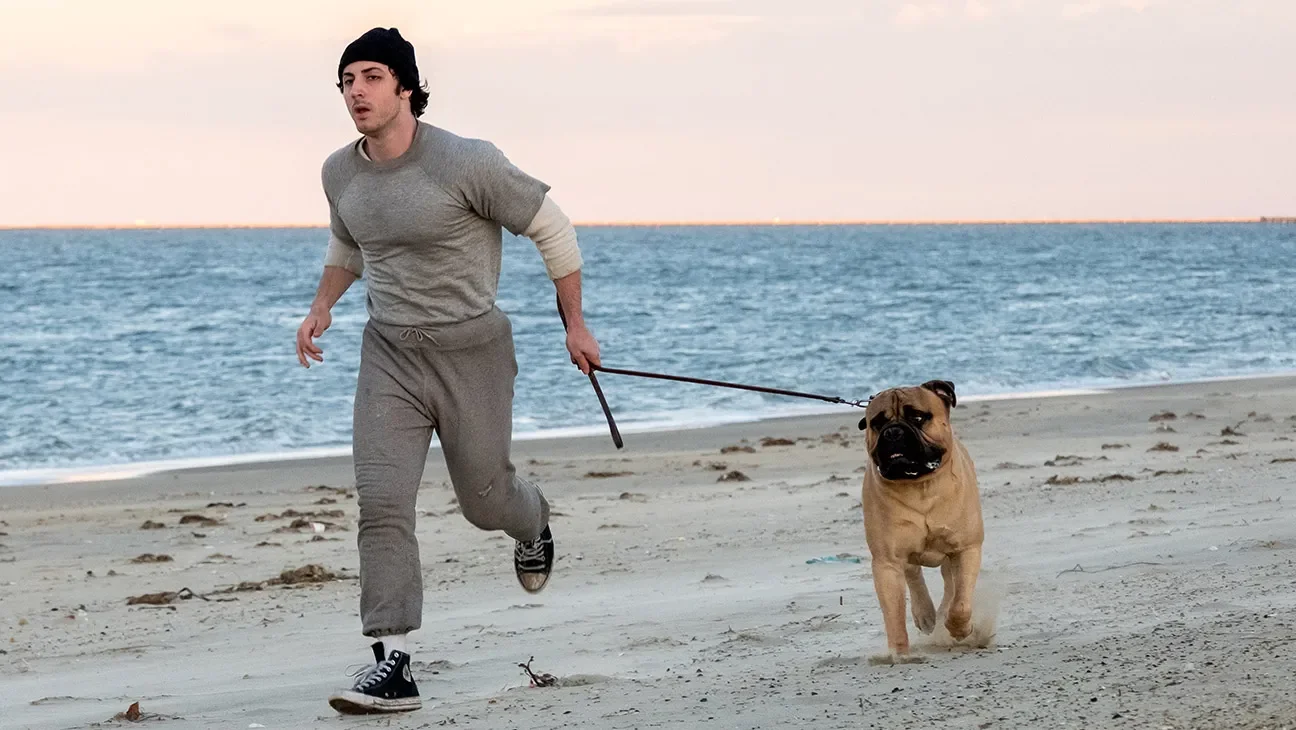
Richard Linklater stages a masterclass in dialogue and decline with this real-time elegy for Lorenz Hart, elevated by a career-best Ethan Hawke.
Richard Linklaterâs Blue Moon opens not with a bang but a murmur; a hushed entrance into Sardiâs on a rainy 1943 night, where a room full of theatrical legends buzz just blocks away from the St. James Theatre, celebrating the historic premiere of Oklahoma!. But our attention, and Linklaterâsâ is fixed on the man left behind: Lorenz Hart. Once half of Broadwayâs most revered songwriting duo, now a washed-up lyricist nursing a bourbon and a wounded ego.
Itâs a setting thatâs deceptively static, yet emotionally explosive. For the next 100 minutes, we never leave this restaurant. Blue Moon unfolds entirely in real-time and mostly in one location. But with Linklater at the helm and Ethan Hawke in one of his finest performances, what couldâve felt like a confined stageplay instead becomes a vibrant, devastating elegy to collaboration, legacy, and the intoxicating ache of irrelevance.
Lorenz âLarryâ Hart (Hawke) is a man out of timeâ and running out of it. Blue Moon captures him on the very night that Oklahoma! opens without him. Richard Rodgers (Andrew Scott), Hartâs former musical partner of over two decades, has moved on â teaming up with Oscar Hammerstein (Simon Delaney) for a groundbreaking reinvention of the American musical. Hart, meanwhile, is down the street at Sardiâs, drinking, deflecting, and holding court with a tragic wit that cuts sharper than any of his lyrics ever did.

In this version of events â scripted with acerbic precision by Robert Kaplow â Hart is fully aware of his place in the room: not on stage, not in the audience, but in the margins. And yet, Hawke gives him the life force of a man refusing to fade quietly. His performance is magnetic, mercurial, and unflinching. Thereâs a layer of theatrical charm Hart puts on for his companions â a charismatic mask that slips when confronted with the pain of having been left behind.
That pain comes into full view in his interactions with Elizabeth Weiland, a bright-eyed 20-year-old Yale student played with disarming grace by Margaret Qualley. Larry introduces her as his protégée, possibly more. Itâs delusional â and Linklater knows it â but Hawke plays the scenes with a tenderness that sidesteps caricature. Their conversations are as much about mentorship as they are about misplaced desire. Elizabeth loves him, just not in that way.
And that, in a sense, is the heart of Blue Moon. A man whoâs spent his life writing words of romance and longing is left without either. Hart is gay, unspoken but understood â and the film handles his queerness with a tragic undercurrent that never tips into pity. Instead, we see a man who once lit up marquees now nursing fading dreams, scrounging for scraps of attention from peers, bartenders, and handsome young men delivering flowers.

Qualley may have just a handful of scenes, but she haunts the first half of the film through conversations and memories â a ghost of the future Hart knows heâll never have. Her physical presence on screen is brief but impactful, and Linklater wisely gives her space to shine in a film thatâs otherwise word-dense. Thereâs a sadness behind her admiration, a knowing sympathy that Qualley delivers with subtle emotional control.
Linklater is no stranger to the passage of time, and here he condenses decades of ambition, failure, and affection into one night. Cinematographer Shane F. Kelly glides through the restaurant with the confidence of a dance partner, circling characters as they swirl through joy and regret. Thereâs a theatricality to the mise-en-scène, but also a remarkable intimacy. One marvels at how still and yet visually alive the film remains, despite its single setting.
Whatâs especially impressive is the editing â or perhaps lack thereof. With such lengthy, uninterrupted monologues and fast-moving dialogue exchanges, the rhythm feels theatrical and lived-in. Hawke, in particular, delivers some passages that must run close to 20 minutes, each sentence feeling rehearsed but never mechanical. Thereâs a live-wire energy to the pacing, as if the whole thing might veer off-course if someone misses a beat.
The film’s cinematography and production design heighten the intimacy. Itâs unclear whether some of the physical staging was achieved via forced perspective or precise blocking, but the result is a masterclass in spatial storytelling. Linklater and Kelly find every possible angle inside Sardiâs without making the film feel over-directed. The camera is often placed at table-level, watching like an invisible dinner guest.

The supporting cast shines. Andrew Scott brings quiet dignity and distance as Richard Rodgers, simultaneously celebratory and saddened by his friendâs descent. Bobby Cannavale, as bartender Eddie, is the perfect foil to Hawkeâs theatrics â grounded, weary, loyal. Simon Delaneyâs Hammerstein arrives like a new lover, gracious but intruding. And a brief cameo by a precocious âLittle Stevieâ (yes, Sondheim) adds a wink of theatrical lore that will thrill Broadway geeks.
POPULAR ON THE CINEMA GROUP
Kaplowâs dialogue sings. Itâs sharp, literate, and often hilarious. Hartâs rants about exclamation points, his critique of Oklahoma!âs sentimentality, his flirtations with waitstaff â they all crackle. But beneath the humor is a man on the edge, one who knows his name may soon be forgotten in the next wave of Broadway history.
What makes Blue Moon so affecting isnât just the fall from grace â itâs the awareness of it. Hawke plays Hart like a man trying to rehearse joy while mourning his own relevance. He spins stories, tosses quips, flirts with men and women alike, all while his contemporaries toast someone elseâs future just across the street.

Itâs fitting that the film takes its name from one of Hartâs own lyrics, a song about loneliness, change, and unmet desire. Thereâs a moment late in the film when Hart, eyes glazed and smile trembling, listens to reviews of Oklahoma! being read aloud. His reaction is wordless, but the weight is seismic. Itâs not jealousy â itâs the agony of being forgotten.
The final stretch of Blue Moon doesnât build to a dramatic confrontation. Thereâs no meltdown, no redemption. Instead, Linklater offers something quieter: acceptance. Elizabeth returns. Larry gets another drink. And life, cruelly and beautifully, goes on without him.
Itâs in that stillness â in that melancholy acceptance of timeâs tide â that Blue Moon lands its most resonant note. This isnât just a tribute to a forgotten artist. Itâs a meditation on every friendship, every collaboration, every creative bond that fizzles and fractures under the weight of change.
Blue Moon may be modest in scope, but itâs emotionally grand. With career-best work from Hawke, a quietly shattering performance from Qualley, and Linklater at his most poignant, itâs one of the yearâs most quietly devastating films.
Rating: â â â â ½
CREDITS
Screened : Friday, September 27 | Walter Reade Theater | NYFF 63
Cast: Ethan Hawke, Margaret Qualley, Andrew Scott, Bobby Cannavale
Director: Richard Linklater
Screenwriter: Robert Kaplow
Distributor: Sony Pictures Classics
Release Date: in theaters in NY & LA on October 17, nationwide on October 24.
Rating: R
Watch The Trailer Below:
THE CINEMA GROUP
YOUR PREMIER SOURCE FOR THE LATEST IN FILM AND ENTERTAINMENT NEWS
FOLLOW US FOR MORE

window._taboola = window._taboola || [];
_taboola.push({
mode: ‘alternating-thumbnails-a’,
container: ‘taboola-below-article-thumbnails’,
placement: ‘Below Article Thumbnails’,
target_type: ‘mix’
});