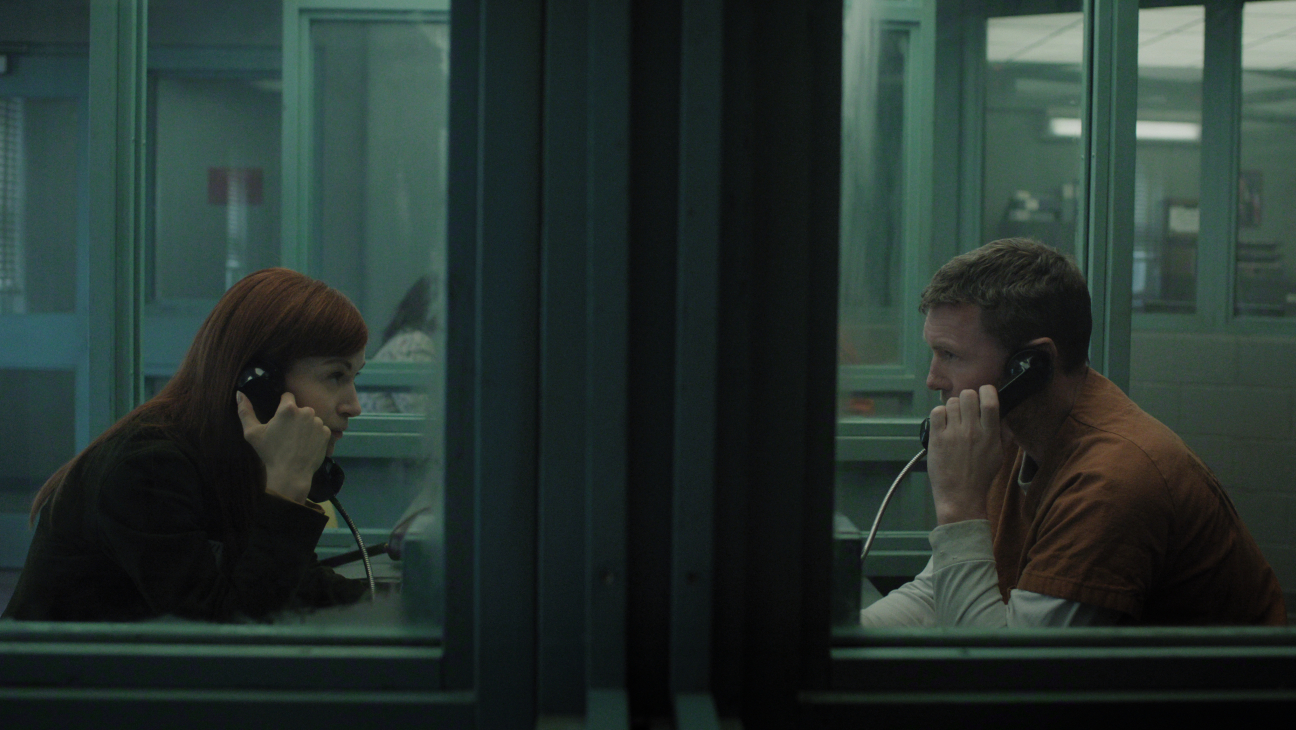
Covinoâs Splitsville Turns Open Relationships Into Open Warfare â A Slap-In-The-Face Comedy, Delivered By A Flawless Ensemble Cast Accompanied By Dazzling Design And Gorgeous Cinematography.
Some movies click from the very first scene, and Splitsville is one of them. Indie comedies often pride themselves on being small, scrappy, and endearingly rough around the edges. But every so often, a film emerges that refuses to hide behind modesty â one that takes the bones of classic farce and dresses them up with cinematic flair, daring its audience to laugh, squirm, and recognize themselves in the chaos. Michael Angelo Covino and Kyle Marvinâs Splitsville is that kind of film: bold, stylish, and brutally funny. Itâs a comedy that doesnât tiptoe around uncomfortable truths about modern relationships but barrels through them like a runaway car, leaving wreckage that somehow looks gorgeous on screen.
Following their breakout debut The Climb (2019), Covino and Marvin return to Cannes with a sharper, more ambitious project, one that expands their storytelling canvas while retaining their taste for physical comedy, messy friendships, and flawed protagonists. If The Climb was a personal sketch, Splitsville is a fully realized painting â a portrait of love and betrayal refracted through screwball antics, slapstick mayhem, and social satire. Neon, which snapped up the film, has reason to bet big: this is one of the yearâs most accessible, marketable indie comedies, a work that marries art-house craft with crowd-pleasing laughs.
The premise is deceptively simple. Carey (Marvin) and Ashley (Adria Arjona) open the film with a road trip to a beach house, only for Ashley to drop a bombshell: sheâs been unfaithful and wants out. What begins as a loversâ quarrel escalates into a wildly choreographed car crash of emotion and slapstick â the first sign that Covino and Marvin arenât content with conversational comedy alone. By the time Carey stumbles into the seaside mansion of his best friend Paul (Covino) and Paulâs wife Julie (Dakota Johnson), the stage is set for a weekend of confessions, seductions, and spiraling betrayals.

Paul and Julie, self-proclaimed veterans of an open marriage, initially appear to have cracked the code of long-term love. âWeâre more flexible with the physical,â Paul boasts, a line delivered with such smarmy confidence it all but guarantees disaster. When Paul departs for Manhattan, Carey slips into Julieâs orbit, and Splitsville begins its true experiment: testing whether any relationship structure, from monogamy to polyamory, can withstand the messy realities of human desire.
Covino and Marvinâs script is both playful and merciless, skewering the fragile justifications couples tell themselves to keep love afloat. The humor is broad but never lazy, finding punchlines in timing, framing, and escalating absurdity rather than cheap gags. One line I wrote in my initial reaction still feels right: Splitsville turns open relationships into open warfare. The film earns that description, transforming kitchens, bedrooms, and even childrenâs birthday parties into battlegrounds of ego, lust, and jealousy.

The comedy is physical to the point of balletic. A mid-film fight scene between Paul and Carey plays like Jackie Chan staged by Jacques Tati: lamps become weapons, kitchen counters turn into stages, and the choreography is so precise it feels closer to dance than brawling. Later, Carey finds himself trapped in a parade of Ashleyâs rotating lovers, each one overstaying his welcome, culminating in a sequence thatâs both excruciating and uproariously funny. These set pieces hit with the force of a slap in the face â precisely timed, impossible to ignore, and executed with cinematic elegance.
But Splitsville is not all surface spectacle. At its core, itâs a story about the fragility of intimacy in an age of endless options. The charactersâ desperate attempts to redefine the rules of commitment â whether through open marriages, serial flings, or ill-fated affairs â reveal more about their insecurities than their freedoms. The women, notably, emerge as the most self-aware. Dakota Johnson and Adria Arjona give performances that balance control with vulnerability, grounding the film even when the men spiral into farce. They arenât immune to heartbreak, but unlike their male counterparts, they refuse to collapse into self-pity.

Johnson, in particular, brings a slyness to Julie that keeps the audience guessing. Her detached calm becomes a weapon, her silences speaking louder than Paul or Careyâs endless bluster. Arjona, meanwhile, infuses Ashley with energy and playfulness, a woman who knows exactly what she wants â even if what she wants changes scene to scene. Both actresses command the screen, and their presence elevates Splitsville from clever farce to something more resonant: a film that actually listens to its women rather than treating them as pawns in male conflict.
Visually, the film is stunning. Cinematographer Adam Newport-Berra turns domestic interiors into arenas of battle and seduction, his camera gliding through spaces with long takes that maximize tension before releasing it in bursts of comedy. The colors pop with richness, the lighting captures both intimacy and absurdity, and the framing allows every gag to land with precision. Peggy Schnitzerâs costume design is equally integral, reflecting character arcs through wardrobe â Julieâs polished detachment, Ashleyâs chaotic flair, Paulâs oblivious bravado. Together, these elements create a comedic slap-in-the-face, delivered by a flawless ensemble and elevated by cinematography, set design, and costumes that work in perfect sync. Itâs the whole package (Careyâs.. Not Paulâs)â Itâs sharp, stylish, and executed with a confidence that makes the chaos feel exhilarating rather than excessive.
That innuendo â repeated throughout the film â is more than a running joke. Itâs a sly metaphor for Splitsville itself: bawdy, irreverent, and unafraid to wink at its audience while delivering something bigger and more substantial than expected. The humor lands, the innuendo sticks, and the craftsmanship ensures it all feels cohesive rather than cheap.
The filmâs structure, divided into chapters named after clauses in a divorce contract, reinforces its thematic bite. Each chapter pulls the couples further apart while highlighting the absurdity of treating relationships like negotiable contracts. By the time the story circles back to a childâs birthday party â complete with chaos, confrontation, and a Nicholas Braun cameo as a hilariously miserable mentalist â itâs clear Covino and Marvin have no interest in offering easy resolutions. The couples may return to their starting points, but the audience has seen the fractures too clearly to believe in tidy reconciliation.

And yet, Splitsville is not cynical. It laughs at the messiness of love, but it never dismisses the longing behind it. The characters may be ridiculous, but their pain is real, their desires familiar. That balance â between satire and sincerity, slapstick and substance â is what makes the film so satisfying.
POPULAR ON THE CINEMA GROUP
Covino and Marvinâs control is remarkable. Their direction is bold without being flashy, their writing sharp without being smug. They understand that chaos is funnier when itâs artfully staged, that heartbreak hits harder when itâs punctuated by laughter. Like the best of screwball comedies and remarriage stories, Splitsville lets its characters fall apart only to show how much harder it is to put things back together.
By the end, the film has earned its place as one of the standout indie comedies of the year. It is stylish without sacrificing substance, hilarious without undercutting emotion, and bawdy without feeling exploitative. Most importantly, itâs anchored by a cast at the top of their game: Johnson and Arjona shining as much as Covino and Marvin clown, Braun sneaking in to steal scenes, and every supporting player contributing to the rhythm.
Rating: â â â â ½
Splitsville
Director: Michael Angelo Covino
Screenwriters: Michael Angelo Covino, Kyle Marvin
Cast: Dakota Johnson, Adria Arjona, Kyle Marvin, Michael Angelo Covino, Nicholas Braun
Distributor: Neon
Release Date: In Select Theaters August 22, 2025 | Everywhere September 5, 2025
Rating: R | Runtime: 1h 40m
Watch the Trailer Below:
THE CINEMA GROUP
YOUR PREMIER SOURCE FOR THE LATEST IN FILM AND ENTERTAINMENT NEWS
FOLLOW US FOR MORE

window._taboola = window._taboola || [];
_taboola.push({
mode: ‘alternating-thumbnails-a’,
container: ‘taboola-below-article-thumbnails’,
placement: ‘Below Article Thumbnails’,
target_type: ‘mix’
});