The director says Fincherâs involvement âshows a level of seriousnessâ toward his work as Brad Pitt returns as Cliff Booth.
When Quentin Tarantino announced years ago that he would retire after 10 films, few believed he would stick to the promise. Yet the filmmaker behind Pulp Fiction, Kill Bill, and Inglourious Basterds has remained steadfast. His 2019 Oscar-winning hit, Once Upon a Time in Hollywood, was his ninth feature, leaving fans and the industry obsessing over what the âfinal filmâ might be.
Thatâs why it came as such a surprise when Netflix revealed plans for a Once Upon a Time in Hollywood follow-upâwith Brad Pitt reprising his role as stuntman Cliff Boothâbut with David Fincher, not Tarantino, in the directorâs chair.
Speaking on The Church of Tarantino podcast, the filmmaker explained his reasoning, his admiration for Fincher, and the creative risks he still wants to take.
Why Tarantino Passed on Directing
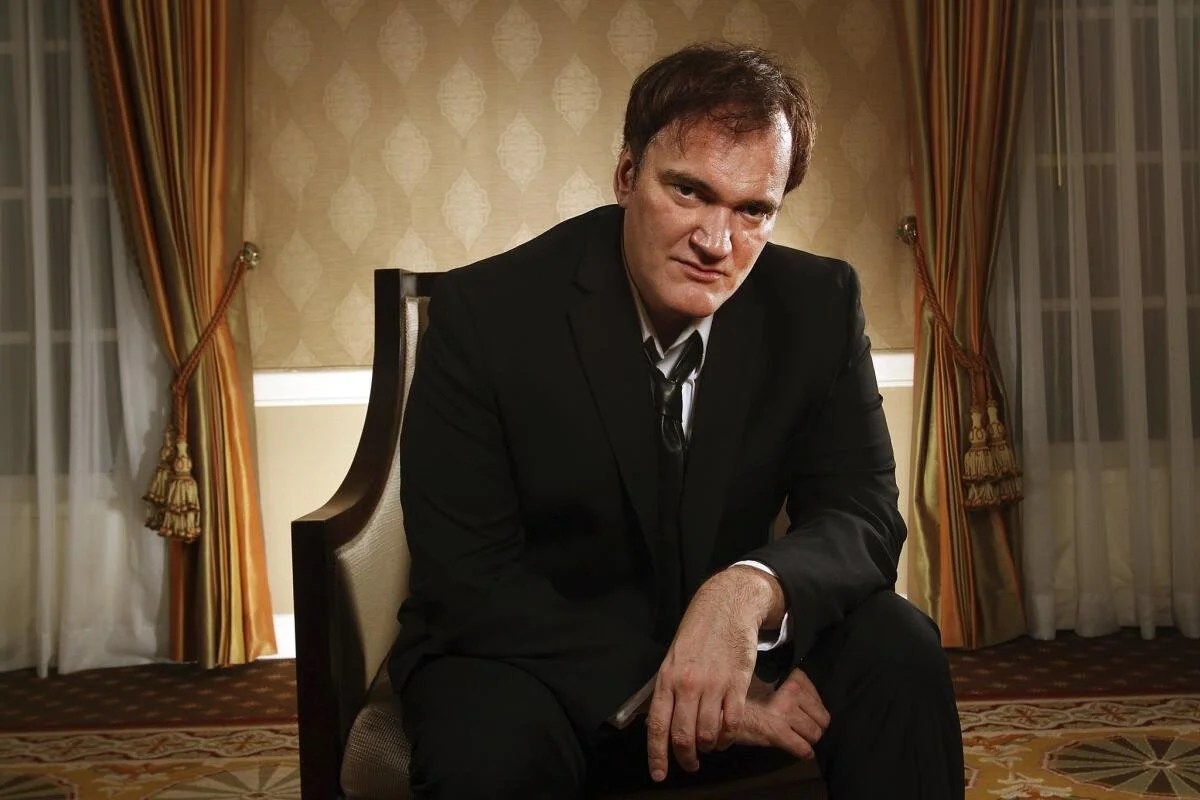
âI love this script, but Iâm still walking down the same ground Iâve already walked. It just kind of unenthused me,â Tarantino admitted. âThis last movie, Iâve got to not know what Iâm doing again. Iâve got to be in uncharted territory.â
For Tarantino, the Netflix sequel risked becoming a retread. He has long stressed that each of his films should feel like an experiment in form, tone, or genre. Reservoir Dogs was a chamber piece. Jackie Brown reimagined blaxploitation through Elmore Leonard. Kill Bill mashed up martial arts and spaghetti westerns. Re-visiting Cliff Booth as his 10th and final film, he feared, would betray that philosophy.
Yet Tarantinoâs fingerprints are still all over the project. He wrote the script and will serve as a producer. âIâll be around if they need me,â he added.
Why David Fincher Was the Right Choice

Perhaps most surprising was Tarantinoâs enthusiasm for handing the reins to Fincher.
âI think me and David Fincher are the two best directors. So the idea that David Fincher actually wants to adapt my work, to me, shows a level of seriousness towards my work that I think needs to be taken into account,â he said.
Fincherâs track record with adaptationsâFight Club (1999), Zodiac (2007), The Social Network (2010), and Gone Girl(2014)âpositions him as one of the most meticulous filmmakers alive. His precision, obsession with detail, and darker tonal palette could take Cliff Boothâs story into new territory while maintaining Tarantinoâs sharp dialogue and narrative structure.
Itâs also a strategic win for Netflix. The streamer has an ongoing partnership with Fincher, who directed Mank (2020) and The Killer (2023). Pairing Fincherâs craft with Tarantinoâs writing and Pittâs star power gives the platform a prestige project with both awards and global audience potential.
The Legacy of Once Upon a Time in Hollywood

Tarantinoâs ninth film was both a love letter to 1960s Los Angeles and a revisionist history of the Manson era. Beyond the awardsâ10 Oscar nominations and two winsâit resonated with audiences as an elegiac, sometimes playful goodbye to a Hollywood that no longer exists.
Cliff Booth quickly became a fan-favorite. Brad Pittâs laid-back, quietly lethal stuntman won him his first acting Oscar. For many fans, the chance to revisit Boothâs storyâeven outside Tarantinoâs directorial eyeâis irresistible.
POPULAR ON THE CINEMA GROUP
This Netflix continuation suggests Tarantino sees Booth as a character who transcends his strict â10 filmsâ boundary. By letting Fincher shape Boothâs next chapter, Tarantino preserves his retirement plan while giving fans what they want.
The Abandoned Movie Critic

Equally fascinating is Tarantinoâs candid explanation of why he abandoned what many expected to be his swan song: The Movie Critic.
âI really, really like it. There was a challenge that I gave to myself when I did itâcan I take the most boring profession in the world and make it an interesting movie?â he said.
The project, conceived as both a film and possibly a TV series, would have centered on a criticâa character profession Tarantino admitted few audiences would care about. âWho wants to see a movie called The Movie Critic? That was the test.â
While the director clarified it was a âspiritual sequelâ to Once Upon a Time in Hollywood, he also shot down speculation: âCliff Booth was never in The Movie Critic.â
Scrapping the film shows Tarantinoâs instinct to protect his legacy. His final film, he insists, must take him into uncharted territory.
What This Means for Tarantinoâs 10th

If the Netflix follow-up doesnât count as his 10th, speculation reignites: what will? Some suggest he may surprise with a wholly original genre experiment, others point to his fascination with adapting pulp literature. Whatever it is, Tarantino seems determined to make his last film something neither fans nor critics could predict.
In the meantime, the Fincher-directed Once Upon a Time in Hollywood project keeps his world alive. Itâs both a passing of the torch and a reminder of the cultural weight Tarantino still commandsâeven as he prepares to bow out.
THE CINEMA GROUP
YOUR PREMIER SOURCE FOR THE LATEST IN FILM AND ENTERTAINMENT NEWS
FOLLOW US FOR MORE