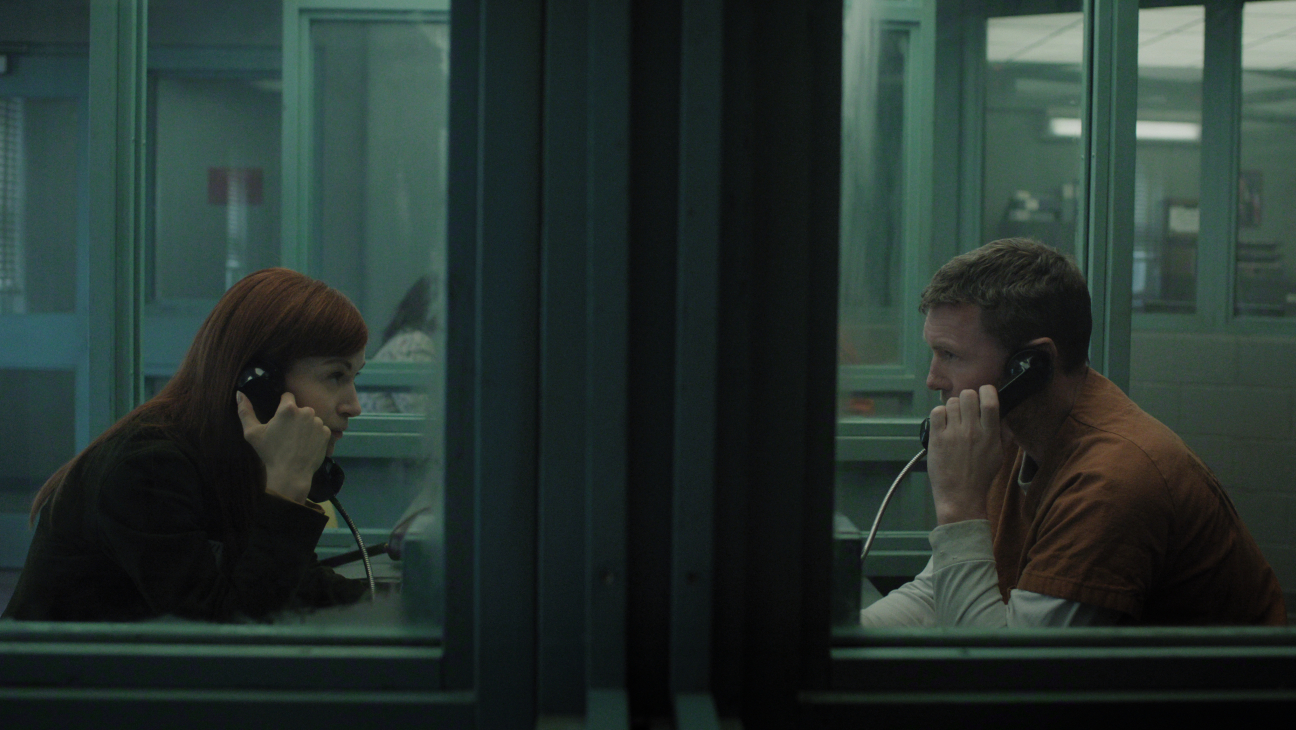
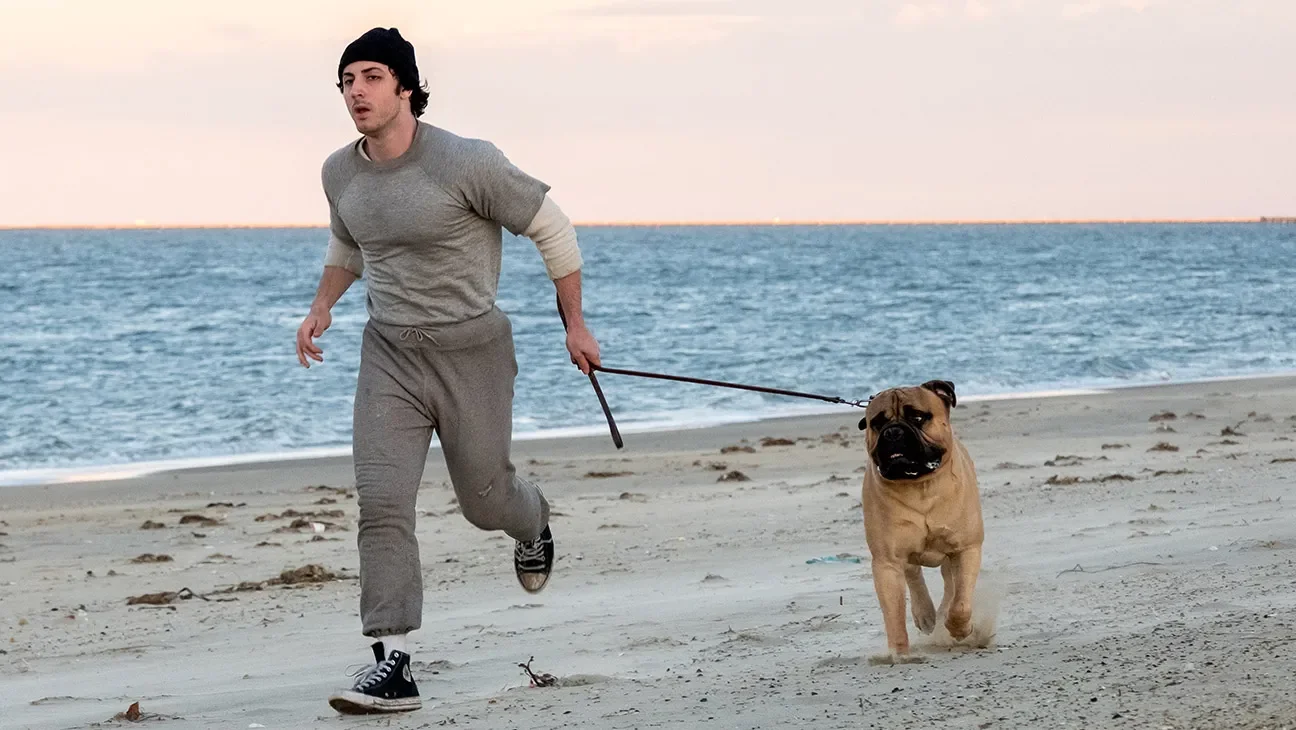
As Stick wraps its first season, Apple TV+ has greenlit a secondâan affirmation of the show’s growing status as one of the yearâs sleeper hits. Anchored by Owen Wilsonâs effortless charm, the series blends humor and heart with surprising depth, transforming a simple premise into something quietly resonant.
Apple TV+âs Stick delivers a welcome mix of heartfelt character work and gentle humor in its 10âepisode First Season. Anchored by Owen Wilsonâs affably wounded performance as Pryce âStickâ Cahill, a onceâpromising pro golfer now stuck in lifeâs rough, the series unfolds as a characterâdriven road trip rather than a sports spectacleâand itâs better for it.
From the opening tournament meltdown through the final round at the fictional ReadySafe Invitational, Stick never pretends golf is a thrilling spectacle. Instead, it uses the game as a metaphor for lifeâs second chancesâand missed puttsâwith measured grace: episodes hover between halfâhour comedy and mediumâpaced drama, opting for quiet moment over macho swagger.
The arc opens when Pryce discovers Santi (Peter Dager), a teenage athlete with immense raw talent, sneaking into a driving range. Pryce sees reflection in the boyâs potentialâand in his own unmet promise. He convinces Santiâs mother Elena (Mariana Treviño) to accept a camperâvan tour with his friendâcaddy Mitts (Marc Maron) and Zero (Lilli Kay), a sparkplug bartender hired to reach Santi emotionally.

Across ten episodes, the show navigates familiar beats: a parental wound (Pryce lost his young son, Jett, to illness), a reluctant prodigy rejecting mentorship, and emotional obstacles in the fishbowl of travelâall clichés given fresh humanity via Wilsonâs dogsâeyes charm and surprisingly restrained ensemble work.
Wilson plays Pryce as an unassuming underdog whose charm conceals layers of griefâa man with little to lose and much to reclaim. His chemistry with Maronâs Mitts (equal parts crank and conscience) provides most of the comic relief, while Treviño grounds the emotional stakes as the protective, entrepreneurial Elena. Dager has the Santi role mostly right: introspective, distant and steadily growing into opennessâbut the material occasionally falls short of revealing his inner life.

Lilli Kayâs Zero is the seriesâ wildcard: charged with coaxing emotional breakthroughs and offering youthful counterpoint to Pryce and Mitts. Their arc introduces generational friction and evolving blurred identity themesâbut much of the dialogue feels surfaceâlevel, the character propping up redemption tropes more than decentered agency.
The pacing takes time to settle; several critics noted the show hits its stride only around Episodeâ¯5, when Zeroâs caddie reveal and emotional cracks deepen relationships in unexpected ways. From that point the narrative balances golf training with personal reckonings: Santiâs uncertain relationship with his absent father; Elenaâs angst over losing independence; Pryceâs unresolved grief over Amber-Linn (Judy Greer), his ex-wife, and their son Jett. Writers Jason Keller, Moynihan and others push these arcs forward with light touch.

The final episodes crescendo in the ReadySafe Invitational tournament: a turning point tied to both narrative and emotional payoff. Santi struggles under pressure, only to regain momentum by taking Pryceâs literalâand metaphoricalâshortcut approach: bypassing convention with a bold play that brings an eagle and an emotional breakthrough. Simultaneously, Pryce resists revisiting his past with Amber-Linn despite the opportunity, showing emotional growth through restraint rather than impulsivity.
Episodes 6 through 10 reveal increasing confidence in tone and execution. Highlights include Santi clashing with a rival prodigy over identity and privilege, Mitts confronting his own regret as a failed player turned hanger-on, and Elena struggling to balance her sonâs dreams with her own fear of abandonment. Even the showâs comic reliefâthe crew camping in a busted RV beside high-stakes coursesâgains pathos as Pryce re-learns humility and trust.
Meanwhile, Appleâs knack for scenic photography and grounded storytelling elevates the series visually. The fairways glimmer under dusk skies, and flashbacks to Pryceâs professional heyday contrast poignantly with his current limbo. The show never glamorizes golf, but it respects the rituals of the game, echoing its rhythm and solitude in the storyâs emotional beats.

Stick is not without flaws: critics argue it errs on the safe side, with predictable writing and a reluctance to lean into riskier themes. Reviewers pointed to flat early episodes and uneven toneâcomplaints echoed by sources including Vulture, AV Club, and The Washington Post which called the show formulaic despite pleasant execution.
Yet in terms of comfort viewing, Stick hits its mark: each episode lands reliably, issues a warm glow, and rarely outstays its welcome. It may not have the cultural sparkle of Ted Lasso, but Wilson and Co. carve out their own groove, emphasizing character over flash and emotional resonance over spectacle.
POPULAR ON THE CINEMA GROUP
In a media ecosystem oversaturated with noise, Stick succeeds by embracing tonal restraint and emotional sincerity. Its comedic flourishes are subtle, often springing from the ensembleâs natural chemistry, while its dramatic core rests on the notion that reinvention is always possibleâeven in oneâs twilight chapters. With Apple doubling down on this emergent gem, one hopes Season 2 leans further into its strengths: character complexity, relational depth, and the radical act of quiet storytelling.

the latest half-hour offering from Apple TV+ wears its influencesâTed Lasso, Shrinking, even shades of Eastbound & Downâwith unapologetic transparency. However, it doesnât merely emulate these predecessors; rather, it refracts their emotional blueprints through a lens attuned to golfâs quiet solitude and personal reinvention. The show centers on the melancholic yet affable Pryce âStickâ Cahill, a former PGA contender whose imploded career and personal life have left him semi-adrift in Fort Wayne, Indiana, selling gear and stories with equal aplomb. Wilsonâs portrayal deftly balances sardonic humor and quiet introspection, grounding the show in emotional authenticity.
Stick is best experienced as a gentle tour of imperfect characters forging their way back to purpose. Its strength lies in performance chemistryâespecially Wilsonâs charmâand a story that uses golf as metaphor rather than spectacle. Not groundbreaking, but far more grounded and emotionally rewarding than expected.
Rating: â â â â â