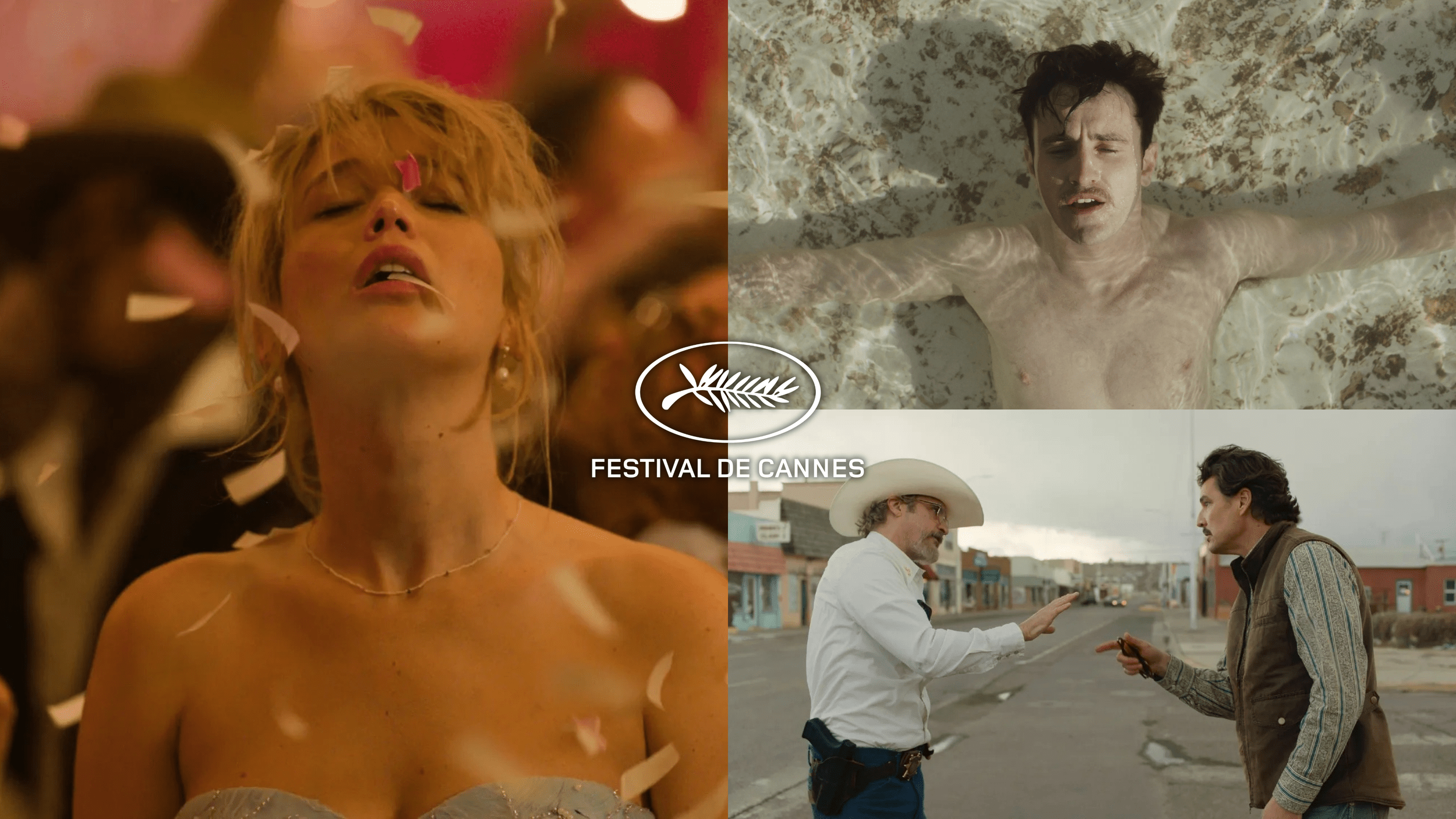
From auteur comebacks and bold directorial debuts to star-studded ensembles and intimate indies, The Cinema Group’s chief critic Jonathan Moustakas selects the must-see highlights from the 78th Festival de Cannes.
As the curtain lifts on the 78th Festival de Cannes, thereâs a distinct energy pulsing through the Croisette. Beyond the flashbulbs and designer gowns, what draws me back each year is the pursuit. The promise that somewhere, nestled between the premieres and press conferences, lies a work of art that challenges, surprises, or stays with you long after the lights come up. Cannes has always been a battleground for bold cinema, a place where filmmakers test their nerve and audiences rediscover the thrill of being caught off guard.
This yearâs lineup feels especially rich. It balances returning auteurs with breakout voices and blends cinematic risk with emotional urgency. There are films that interrogate identity, confront grief, flirt with genre, and pull stories from the margins into sharp focus. The mood, across the program, is one of ambition. From epic political thrillers to personal confessionals, the range of tone and texture is thrilling.
For me, the excitement of Cannes isnât just about what wins or what earns a standing ovation. Itâs about the quiet discoveries and the conversations that follow. The films that divide opinion, spark debate, and refuse to settle into easy categories are often the ones that end up defining the year in cinema. Thatâs what Iâve looked for in making this list.
As Chief Critic for The Cinema Group, Iâve spent the last several months reading between the lines of program notes, revisiting directorsâ past work, and tracing the themes that seem to surface again and again. What follows isnât a prediction of prizes. Itâs a personal lineup: the films I canât stop thinking about, the ones that seem to carry both risk and resonance.
These are the titles Iâll be watching closely at this yearâs festival. Some may go on to become awards contenders. Others might quietly fade after a single screening. But each one feels charged with the possibility of discovery, and that, more than anything, is why Cannes continues to matter.
Die, My Love

Director: Lynne Ramsay
Cast: Jennifer Lawrence, Robert Pattinson, LaKeith Stanfield, Sissy Spacek, Nick Nolte
Lynne Ramsayâs first feature since 2017âs You Were Never Really Here is a feverish psychological noir that channels the disturbing intensity of its source materialâAriana Harwiczâs acclaimed novel. Jennifer Lawrence plays a new mother battling postpartum depression, isolation, and psychosis in rural France. But this is no tidy domestic drama. With Ramsayâs signature disorienting visuals and elliptical storytelling, Die, My Love becomes a fractured portrait of rage and unraveling, sharpened by Robert Pattinson as the aloof husband and LaKeith Stanfield as a stranger who stirs both desire and destruction. Already rumored to be one of the most formally daring films in competition, it’s a long-awaited return for one of cinemaâs most fearless auteurs.
The Chronology of Water

Director: Kristen Stewart
Cast: Imogen Poots, Jena Malone, Tom Sturridge
Kristen Stewartâs directorial debut adapts Lidia Yuknavitchâs fiercely poetic memoirâa nonlinear, searing recount of trauma, sexuality, and self-actualization. The story follows a former Olympic hopeful, Lidia (Poots), whose life takes a chaotic turn following abuse, addiction, and deep loss. As she travels through heartbreak and recklessness, the film intersperses experimental narrative techniques with raw visual symbolism. With Stewartâs own history of onscreen vulnerability and emotional interiority, her transition behind the camera is one of the festivalâs most anticipated. Backed by a moody score and cinematography that leans heavily into texture and water symbolism, this is poised to be one of Cannesâ boldest debuts.
The Mastermind
Director: Kelly Reichardt
Cast: Josh OâConnor, Alana Haim, John Magaro, Gaby Hoffman, Hope Davis
Following her minimalist and quietly powerful character studies such as “First Cow” and “Wendy and Lucy,” Kelly Reichardt returns with a new entry into her thematic exploration of work, art, and the American dream. Set in the turbulent 1970s, “The Mastermind” follows Mooney (OâConnor), an unemployed carpenter living in Massachusetts who masterminds a bizarre but brilliant daylight art heist amid the political unrest of the Vietnam War era. What begins as a moment of creative rebellion quickly spirals into a much more precarious psychological and moral unraveling. Reichardtâs typically restrained style promises a slow-burn tension, layered with introspective performances. With a period backdrop and a stellar ensemble cast, this could mark a bold evolution in her filmography.
Urchin

Director: Harris Dickinson
Cast: Frank Dillane, Harris Dickinson
Actor Harris Dickinson makes his feature directorial debut with a gritty, compassionate drama centered on the often-invisible lives of Londonâs unhoused population. “Urchin” follows a struggling man (Dillane) trying to escape addiction and self-destruction. Drawing comparisons to British social realism in the vein of Andrea Arnold or early Ken Loach, the film reportedly avoids sentimentality in favor of raw humanism. With its roots in Dickinsonâs own East London upbringing, the film channels an unflinching perspective into urban despair while also finding hope in unexpected places. Itâs a project that may well establish Dickinson as one of the UKâs most exciting multi-hyphenates.
O Agente Secreto (The Secret Agent)
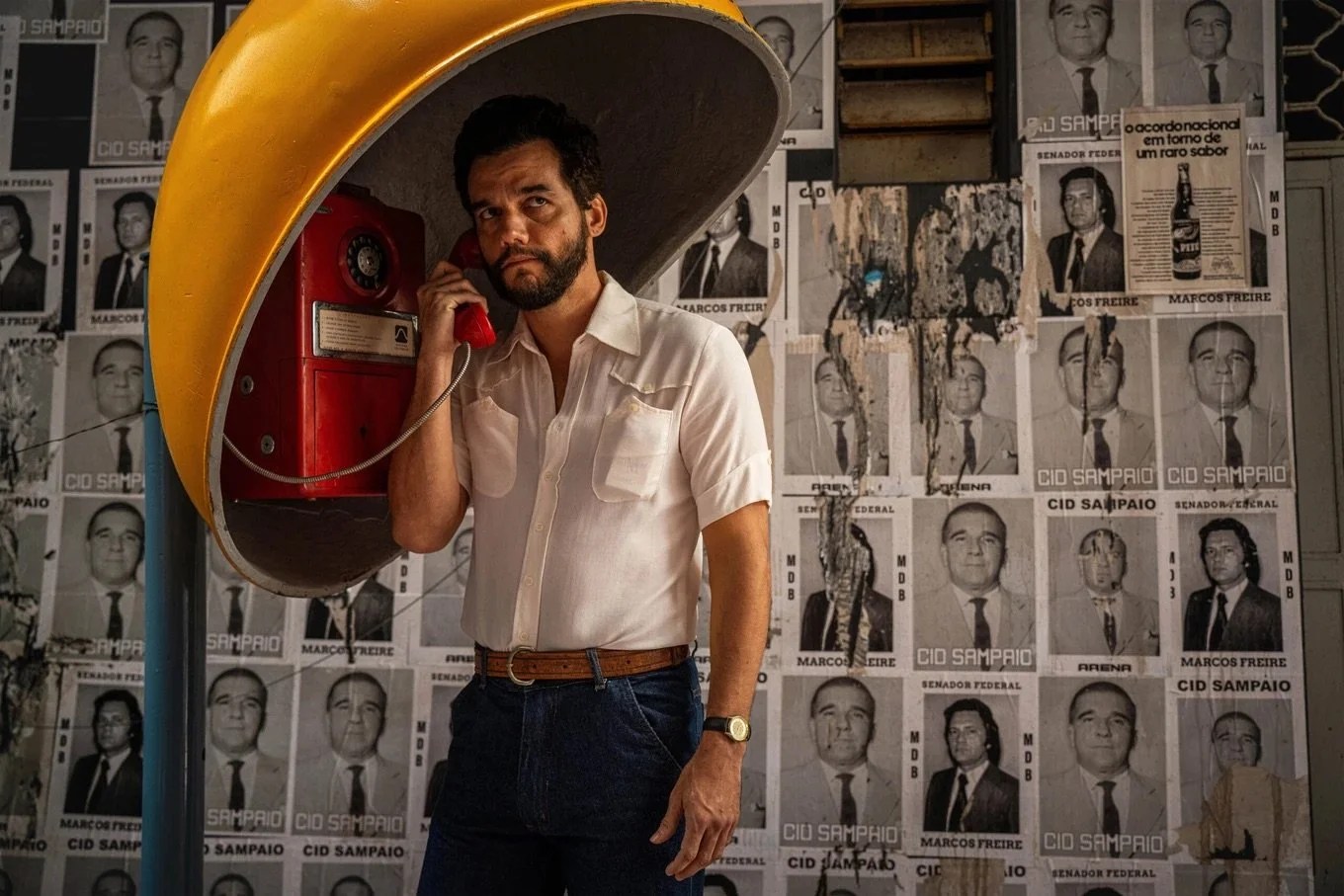
Director: Kleber Mendonça Filho
Cast: Wagner Moura
After the haunting beauty of his documentary âPictures of Ghostsâ and the genre-defying success of “Bacurau,” Brazilian auteur Kleber Mendonça Filho returns with a political thriller set in late-1970s Recife. Wagner Moura stars as a former tech engineer who returns to his hometown during Carnival, seeking anonymity after escaping a mysterious past. But the cityâelectric, loud, and full of ghostsârefuses to grant peace. Shot in vibrant Super 16 and full of sensory overload, the film reportedly blends the directorâs signature political urgency with noir tropes. An allegory for Brazilâs past and present, itâs expected to be both thematically rich and visually stunning.
Eleanor the Great

Director: Scarlett Johansson
Cast: June Squibb, Ayo Edebiri, Will Sharpe
Scarlett Johansson steps into the directorâs chair with a warm-hearted indie dramedy centered on Eleanor (Squibb), a 90-year-old woman who moves from Florida to NYC following the death of her lifelong best friend. What follows is a gentle story about second chances, intergenerational friendship, and the universal desire for human connection. With Johansson channeling the indie spirit of Greta Gerwigâs early works and Squibb getting a long-overdue starring role, early buzz suggests the film avoids saccharine clichés in favor of character-driven sincerity. This could be one of the quietest yet most emotionally rewarding entries at the festival.
Homebound

Director: Neeraj Ghaywan
Cast: Adarsh Gourav, Lakshvir Saran
Neeraj Ghaywan, best known internationally for his work on “Masaan” and “Made in Heaven,” returns to Cannes with a powerful drama set in a rural North Indian village. “Homebound” follows two childhood friends as they try to join the police force in pursuit of dignity and societal status. Their ambitions, however, are tested by corruption, caste discrimination, and personal conflict. Ghaywanâs eye for tender, human storytelling in politically charged settings makes him one of the most vital Indian filmmakers of his generation. Expect a sobering, richly detailed portrait of masculine fragility, friendship, and aspiration amid systemic rot.
Pillion

Director: Harry Lighton
Cast: Fionn Whitehead, Joel Fry
British filmmaker Harry Lightonâs first feature dives into queer desire, power, and emotional dependency. Set against the backdrop of a gritty English coastal town, “Pillion” follows Jamie (Whitehead), a young man drawn into a volatile relationship with a much older biker. As the bond deepens, so do questions of control and vulnerability. With a visual aesthetic evoking Claire Denisâ “Beau Travail” and the homoerotic tension of Tom of Finland, the film explores sexuality with unflinching honesty. Expect emotionally complex performances and striking cinematography.
Honey Donât!
Director: Ethan Coen
Cast: Margaret Qualley, Geraldine Viswanathan, Nick Offerman
Ethan Coenâs solo return to narrative filmmaking after years spent on documentaries and archival projects promises a biting, stylish dark comedy. “Honey Donât!” revolves around a small-town private investigator named Honey O’Donahue (Qualley), hired to investigate a string of bizarre deaths tied to a cryptic church. With Coenâs signature off-kilter humor and a script reportedly loaded with feminist satire and noir references, the film blends pulp and prestige. Backed by a vintage soundtrack and razor-sharp dialogue, itâs expected to delight and disturb in equal measure.
New Wave
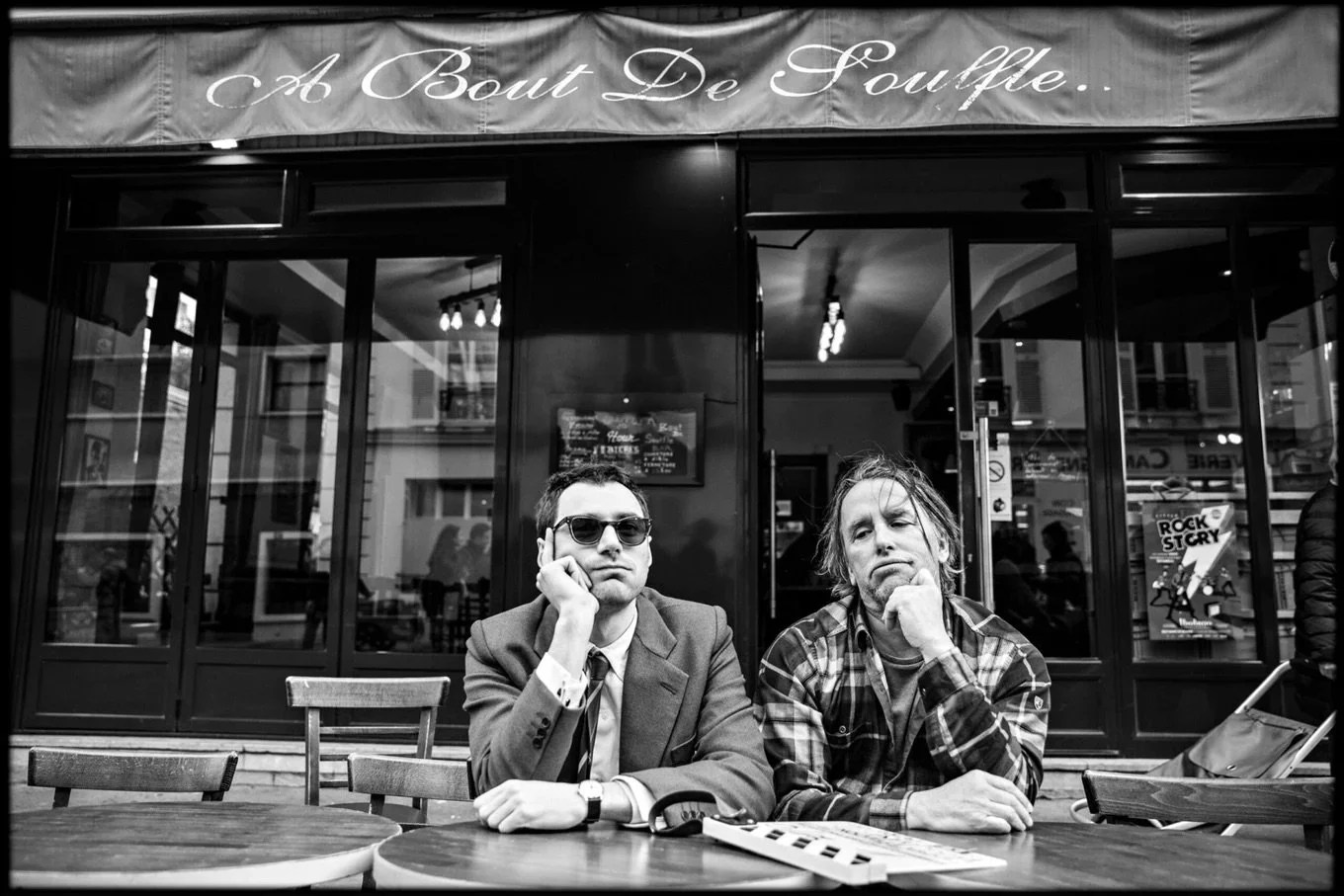
Director: Richard Linklater
Cast: Guillaume Marbeck, Zoey Deutch
Richard Linklater returns to France with an homage to the Nouvelle Vague. “New Wave” chronicles the making of Jean-Luc Godardâs iconic “Breathless” through the eyes of his younger self (Marbeck) and actress Jean Seberg (Deutch). Far from a traditional biopic, Linklaterâs film reportedly plays with time, memory, and fiction in ways that mirror Godardâs own cinematic ethos. Expect a playful yet intellectually rich journey through 1960s cinema culture, love, ego, and artistic obsession. For cinephiles, this could be Cannesâ ultimate meta-textual treat.
Eddington
Director: Ari Aster
Cast: Joaquin Phoenix, Pedro Pascal, Emma Stone, Austin Butler, Luke Grimes, Clifton Collins Jr.
Ari Aster ventures into the Western genre with Eddington, a contemporary tale set in a small New Mexico town. Joaquin Phoenix stars as a sheriff whose standoff with the local mayor (Pedro Pascal) ignites community tensions, exacerbated by social media. The ensemble cast, including Emma Stone and Austin Butler, navigates a narrative that blends psychological drama with societal commentary, marking Asterâs first Cannes competition entry.
Alpha
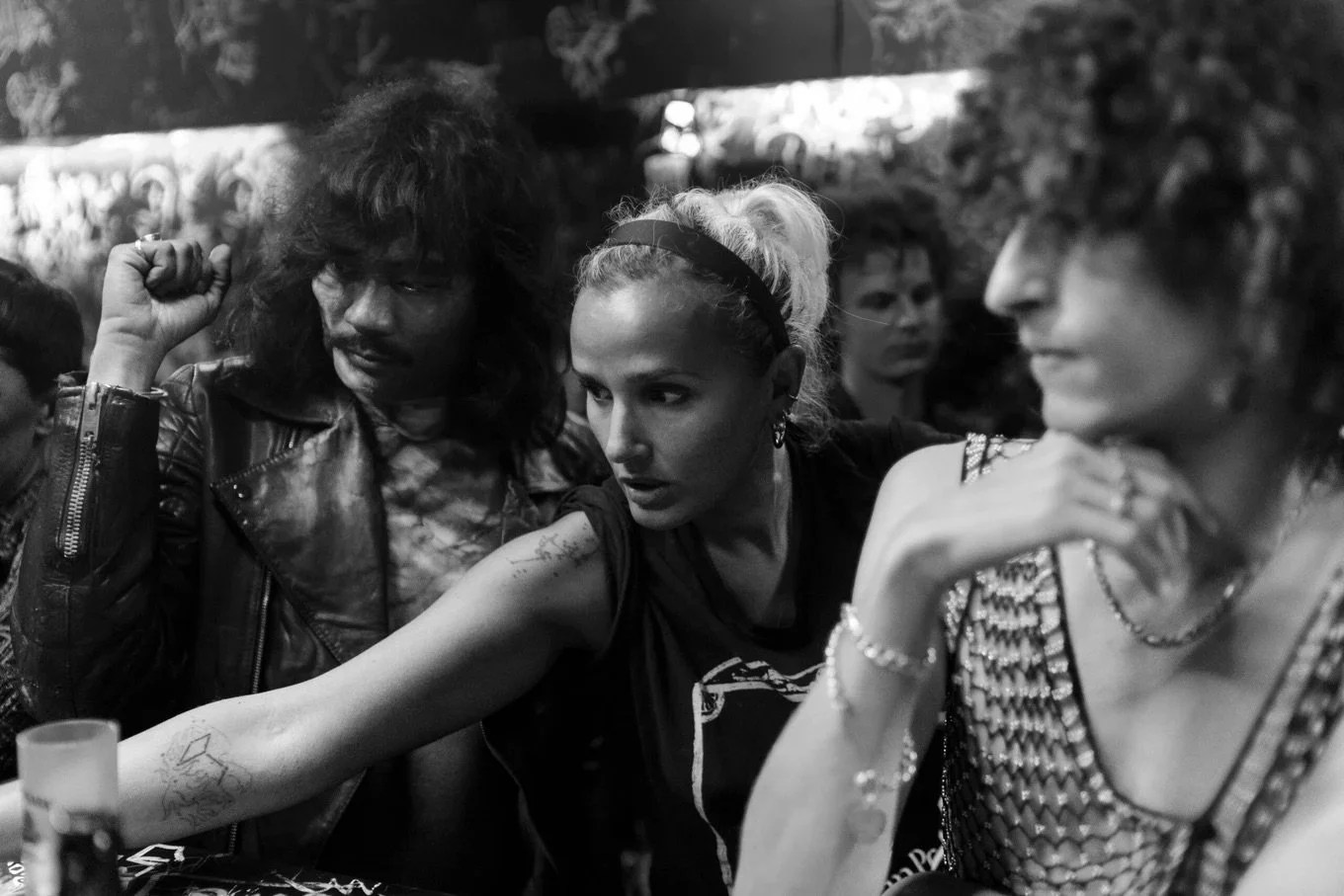
Director: Julia Ducournau
Cast: Mélissa Boros, Golshifteh Farahani, Tahar Rahim, Emma Mackey, Finnegan Oldfield
Julia Ducournauâs Alpha is a haunting coming-of-age story set in 1980s Normandy. The film follows a 13-year-old girl, Alpha (Boros), who faces ostracization after returning from school with a mysterious tattoo. As her mother (Farahani) grapples with fear and confusion, the narrative unfolds into a poignant exploration of adolescence, societal stigma, and transformation. Ducournauâs visceral storytelling promises a compelling cinematic experience .
Highest 2 Lowest
Director: Spike Lee
Cast: Denzel Washington
Spike Leeâs Highest 2 Lowest reimagines Akira Kurosawaâs High and Low in a contemporary American setting. Denzel Washington leads as a wealthy executive whose moral compass is tested when his chauffeurâs child is kidnapped. The film delves into themes of class disparity, justice, and personal responsibility, offering a gripping narrative that reflects current societal issues .
The Phoenician Scheme
Director: Wes Anderson
Cast: Benicio del Toro, Mia Threapleton, Michael Cera, Scarlett Johansson, Tom Hanks, Bryan Cranston, Riz Ahmed, Mathieu Amalric, Richard Ayoade, Jeffrey Wright, Benedict Cumberbatch, Rupert Friend, Hope Davis
Wes Andersonâs The Phoenician Scheme is a whimsical espionage tale centered on Zsa-Zsa Korda (del Toro), a wealthy businessman who appoints his daughter, a nun named Liesl (Threapleton), as his sole heir. As Korda embarks on a new venture, they become targets of scheming tycoons and assassins. Andersonâs signature visual style and ensemble cast promise a visually stunning and narratively rich film .
The History of Sound

Director: Oliver Hermanus
Cast: Paul Mescal, Josh OâConnor
Set in the aftermath of World War I, The History of Sound follows two young men, Lionel (Mescal) and David (OâConnor), as they traverse New England recording folk songs. Their journey becomes a tender exploration of love, memory, and the healing power of music. Hermanus crafts a lyrical narrative that captures the nuances of a bygone era .
The Young Mothers Home

Directors: Jean-Pierre and Luc Dardenne
The Dardenne brothers present The Young Mothers Home, a social realist drama focusing on five women from troubled backgrounds residing in a shelter. As they strive to build better lives for themselves and their children, the film delves into themes of resilience, community, and the challenges faced by marginalized individuals. The Dardennesâ empathetic storytelling offers a poignant look at the human condition.
Sentimental Value

Director: Joachim Trier
Cast: Renate Reinsve, Stellan Skarsgård, Elle Fanning
Joachim Trier reunites with Renate Reinsve in Sentimental Value, a contemplative family drama set in Norway. Reinsve portrays an acclaimed stage actress reflecting on her familyâs history and the house theyâve inhabited for generations. With performances by SkarsgÃ¥rd and Fanning, the film examines memory, art, and the complexities of familial bonds .
POPULAR ON THE CINEMA GROUP
As I look over this yearâs Cannes slate, what excites me most isnât just the caliber of talent assembled â itâs the sense that weâre at a pivotal moment for cinematic risk-taking. The lineup Iâve curated here reflects my personal lean toward auteurs who push form, interrogate structure, and use cinema as a vessel for both emotional reckoning and cultural commentary. Many of these titles â Die, My Love, PILLION, Urchin â promise not only narrative daring, but a reorientation of what film can feel like. Iâm particularly drawn to those that reject conventional plot arcs in favor of atmospheric immersion or stylistic experimentation, especially in an age when so many movies feel engineered for consensus instead of crafted for discovery.
A thread I find running through much of this yearâs list is the collision of interior transformation with the machinery of the external world. Whether itâs a queer biker navigating love in PILLION, a woman on the brink of psychological collapse in Die, My Love, or a homeless man grasping at redemption in Urchin, these are characters contending with invisible ruptures just as much as societal ones. Even entries like Eddington or Highest 2 Lowest, which work in more overtly political registers, feel deeply invested in what institutions â law enforcement, corporate America, religion â do to the individual psyche. And thatâs something Iâll be watching for: not just plot or visuals, but how human vulnerability is framed, how itâs tested, how itâs treated.
Iâm also keen to see how many of these filmmakers build on or depart from their previous work. What will Joachim Trier say about nostalgia and legacy in Sentimental Value, and how will Renate Reinsve evolve in her third collaboration with him? Will Julia Ducournauâs Alpha push her bodily horror sensibility into new thematic territory â adolescence, perhaps, or the social policing of femininity? And what of Ari Asterâs Eddington â is this his attempt at mainstreaming his fever-dream chaos, or something even stranger, disguised in genre? Even when Iâm skeptical, I remain fascinated â the ambiguity is part of the thrill.
Cannes is also a proving ground for new voices. Itâs why titles like Homebound, New Wave, and The Chronology of Waterare so high on my radar. These arenât just films â theyâre declarations, sometimes imperfect but almost always revealing. When Kristen Stewart or Harris Dickinson turn the camera on their own generation, or when Carla Simón revisits generational silence in RomerÃa, I feel like weâre watching artists in real time carve out space for the next wave of cinema. Not in opposition to tradition, but in conversation with it.
Ultimately, I see this list less as a prediction and more as a compass â a guide toward what feels urgent, aesthetically invigorating, or emotionally necessary. These are films I want to sit with, be challenged by, and carry with me long after the lights go up. Cannes, at its best, is not about ceremony or status â itâs about encounters. Encounters between artists and audiences, between ideas and form, between cinema and the world we live in. Thatâs the promise I see in these titles. And thatâs the journey I canât wait to begin.