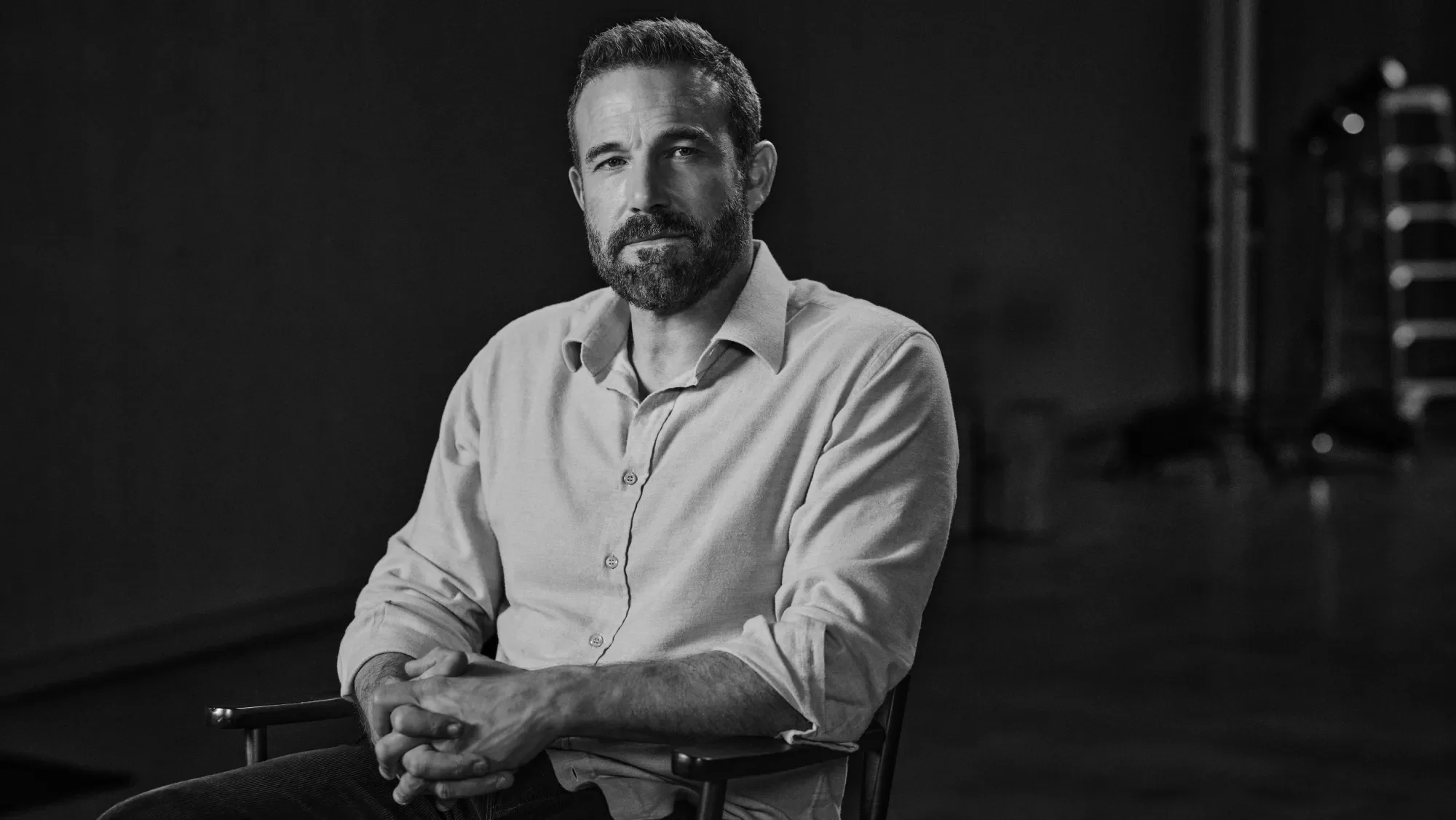
Rian Johnson explains why Charlie Cale is no longer on the run in Poker Face Season 2 and whatâs next for the hit Peacockâs Hit series
Rian Johnson has built his career by upending genre conventions, and with Season Two of Poker Face, his critically acclaimed mystery-of-the-week series, heâs once again opted for subversion. The show stars Natasha Lyonne as Charlie Cale, a human lie detector with a knack for stumbling into murder scenes. Season One established a clever rhythm: Charlie, on the run from mobster Sterling Frost Sr. (Ron Perlman), would roll into a new town, encounter a crime, solve it, and then flee before her pursuers caught up. It was both a procedural and a slow-burning fugitive saga.
However, just three episodes into the second season, the creative team pulls the rug out from under that premise. The looming threat of Sterling is replaced by another mob boss, Beatrix Hasp (played by Rhea Perlman), only for Charlie to solve her way out of that entanglement too. By solving the murder of Beatrix’s husband (played by Richard Kind), she earns her freedomâno more hitmen, no more running. Instead of heading home, she pins a random spot on the map and hits the road anew. The mythology resets, but the showâs wandering spirit remains intact.
In a wide-ranging interview with Rolling Stone, Johnson shared the rationale behind the shift. âPart of it was me feeling exhausted at the notion of repeating Season One,â he admitted. âI didnât want to fall into a rut where each season is just ‘Charlie runs, mob boss follows.’ It was important to re-center the show around its episodic core.â
This recalibration allows the show to explore Charlieâs psychology more intimately. Now unbound by fear, sheâs a drifter by choice rather than necessity. The narrative opens up to questions about belonging, restlessness, and the human impulse to keep moving. âTaking away the external threat let us lean into her relationships,â Johnson explained. âSheâs not just solving mysteries; sheâs confronting herself.â
With the change in premise comes a change in structure, but Johnson is confident that the show’s foundation remains solid. Despite Charlieâs newfound freedomâshe can now use a phone, cooperate with law enforcement, and tap into resources previously off-limitsâshe remains fundamentally solitary. âSheâs still not someone whoâs going to team up with the cops or work out of a lab. Thatâs not who she is,â Johnson clarified. Itâs a key point that keeps the show from turning into just another procedural.
Reflecting on the broader future of the series, Johnson was philosophical. âIâm proud of this season,â he said, âbut I donât know yet what the next one looks like. Maybe Iâm getting older, maybe itâs the sheer energy required. But I know thereâs nothing in the experience that makes me want to stop.â
Indeed, producing the current season proved to be even more challenging than the debut. Expanding from 10 to 12 episodes felt monumental, Johnson confessed. âIt was like running two marathons instead of one,â he said. âI have so much respect for network shows that do 22-episode seasons. TV is hard, man. But itâs a good kind of hard.â
POPULAR ON THE CINEMA GROUP
The second season, now streaming on Peacock, continues to embrace the showâs core structure: every episode is a self-contained mystery with Charlie as the connective thread. Whatâs changed is the thematic resonance. By removing the constant threat of pursuit, Poker Face delves deeper into the emotional and philosophical terrain that makes Charlie such a compelling figure. The result is a more mature, introspective seasonâone that retains the humor, suspense, and retro cool of its predecessor while evolving into something richer.
Poker Face remains one of the rare modern shows to capture the spirit of classic episodic TV while infusing it with the stylized flair of auteur-driven storytelling. And now that Charlie Cale is no longer running from danger, sheâs free to run toward meaning, wherever she may find it.