From surprise tributes to theatrical promises, this yearâs CinemaCon was less about spectacle and more about survivalâand the studios showed up ready to make their case.
CinemaCon 2025 arrived at a pivotal moment in the post-pandemic evolution of theatrical film. As studios and exhibitors descended on Las Vegas for the annual convention at Caesars Palace, the mood was equal parts hopeful and anxious. Theatrical attendance remains below pre-2020 levels, studio leadership across Hollywood is in flux, and the future of how movies are distributedâvia cinema, streaming, or a blend of bothâstill lacks a unified direction. Yet despite the uncertainty, the overarching message from the studios this week was one of defiance, optimism, and renewed commitment to the theatrical experience.
In that spirit, studios didn’t just bring PowerPoint decksâthey brought spectacle. A-list stars, extended trailers, live music, and even stunt bikes took the stage, signaling that if theaters are to survive, Hollywood is betting that big ideas, bold visuals, and larger-than-life storytelling will be the glue that holds it together.
Amazon MGM Studios Stakes Its Theatrical Claim

Making its first official appearance at CinemaCon, Amazon MGM Studios wasted no time making a bold statement. In an industry known for hedging bets, Amazon declared that by 2027, it would release at least 15 theatrical films per year. Mike Hopkins, head of Prime Video and Amazon MGM Studios, emphasized the studioâs long-term vision for cinemaânot as a secondary platform, but as a core part of its content strategy. “Weâre passionate about the films weâre making, and weâre committed to this in the long term,” Hopkins said.
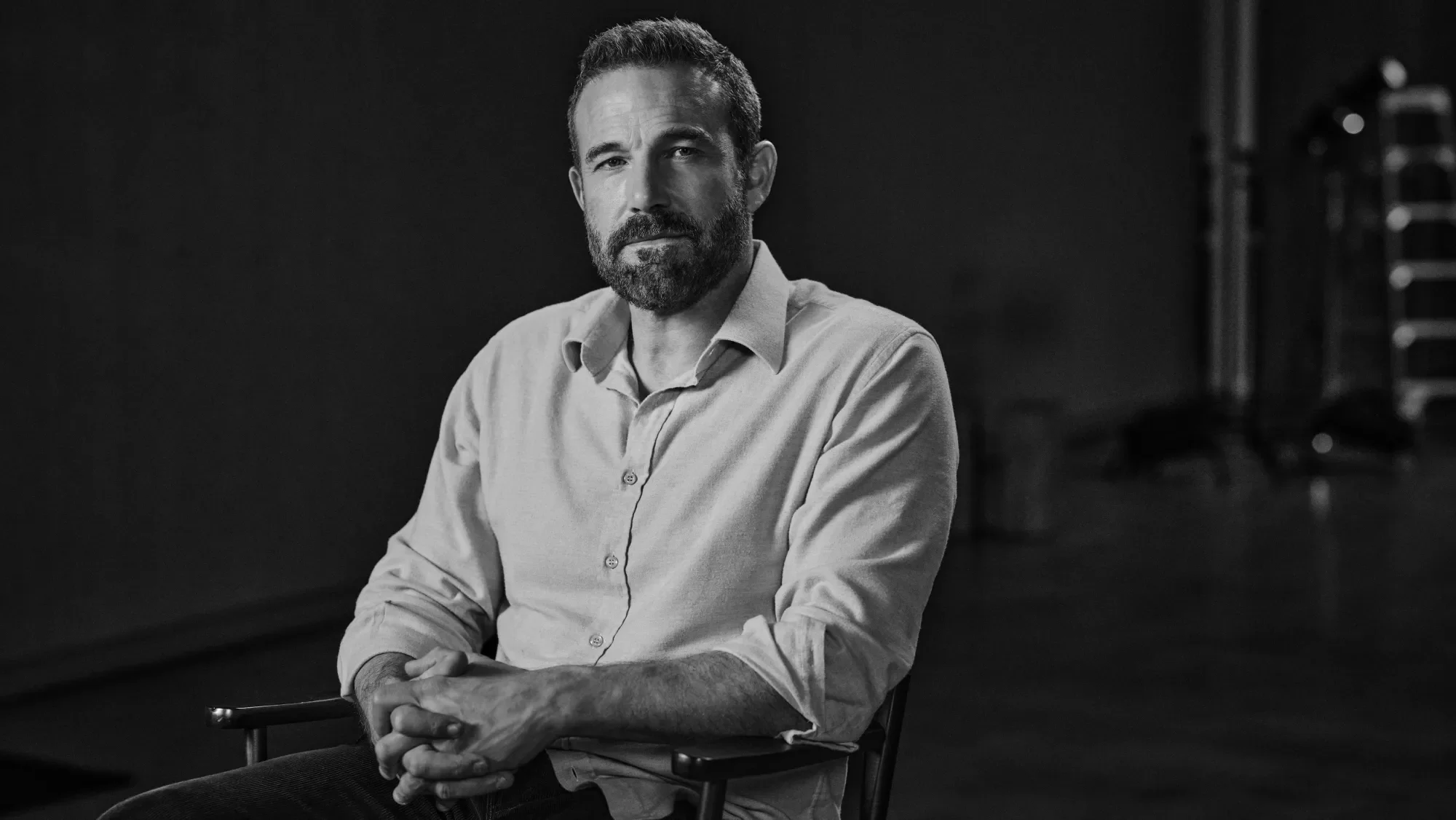
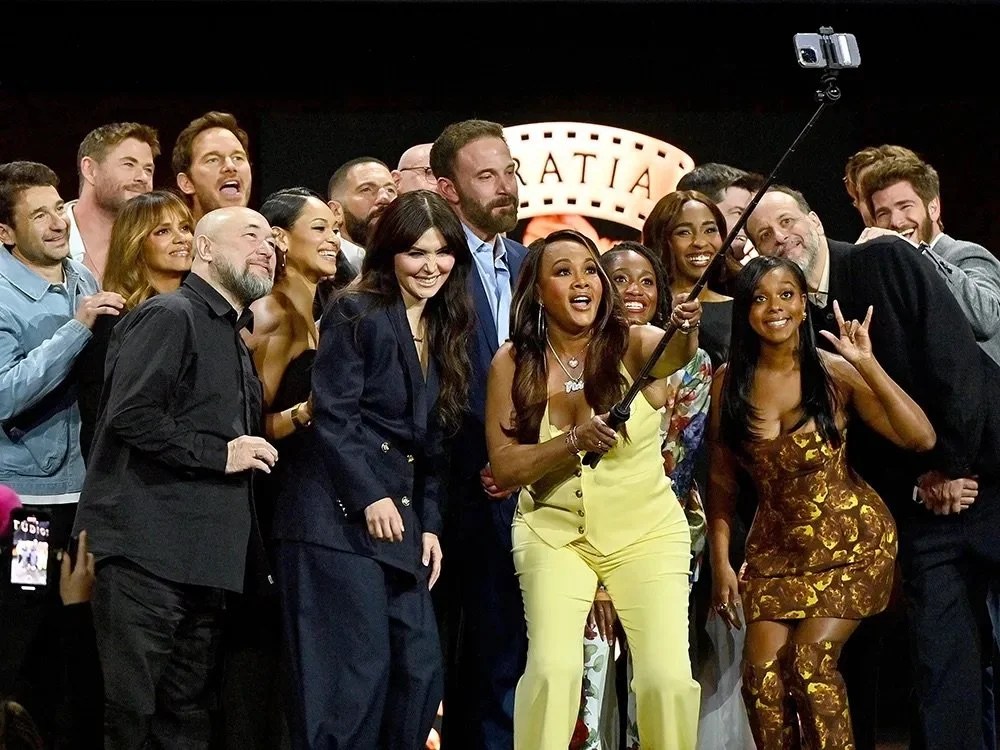
The presentation was packed with star power. Audiences were treated to the first trailer for Project Hail Mary, a Ryan Gosling-led sci-fi epic based on the novel by The Martian author Andy Weir. Other high-wattage appearances included Ben Affleck, Chris Hemsworth, Halle Berry, Andrew Garfield, and Ayo Edebiriâall of whom appeared onstage before posing for a group selfie with Vivica A. Fox. The closing punch? Extended footage from The Accountant 2, with Affleck back in one of his most quietly beloved roles.
Kevin Wilson, head of theatrical distribution, addressed exhibitors directly: âSome of you nodded, smiled, and secretly texted each other, âWeâve heard this before.â Our job tonight is to convince you this commitment is real.â
Paramountâs Balancing Act: Energy Meets Emotion


Paramount Pictures opted for a kinetic opening to its presentationâstunt cyclists and allâbut its most memorable moment came in quiet reflection. Distribution chief Chris Aronson called for theater owners to invest in improving the in-theater experience, citing limited trailers, flexible pricing models, and grassroots promotion as keys to long-term growth.
CEO Brian Robbins addressed the elephant in the roomâthe looming Paramount GlobalâSkydance mergerâbut used the platform to emphasize the studioâs resilience. The finale came courtesy of Tom Cruise, who paid tribute to his late Top Gun co-star Val Kilmer. Following a moment of silence, Cruise introduced the trailer for Mission: Impossible â The Final Reckoning, earning a raucous standing ovation.
Angel Studios Broadens Its Mission

Angel Studios, the Utah-based distributor behind Sound of Freedom, used its presentation to expand its image beyond faith-based content. With an emphasis on human stories, moral triumph, and family-friendly narratives, Angel showcased a surprisingly diverse lineup. Projects included The King of Kings, an animated Jesus origin story told by Charles Dickens to his son; Sketch, where a childâs drawings spring to life; and The Last Rodeo, about a father’s journey to pay for his sonâs medical treatment.
The company, which operates via crowd-based approval through its âAngel Guild,â touted its fast-growing membership (over 1 million and counting) and teased several ambitious projects for 2026. Among them: a biopic on young George Washington, an adaptation of the popular fantasy series Fablehaven, and a feature exploring the friendship between literary legends J.R.R. Tolkien and C.S. Lewis. Executives said these stories aren’t limited to faith audiencesâthey’re designed for anyone craving meaning and inspiration at the movies.
POPULAR ON THE CINEMA GROUP
Studios Pull Out All the Stops
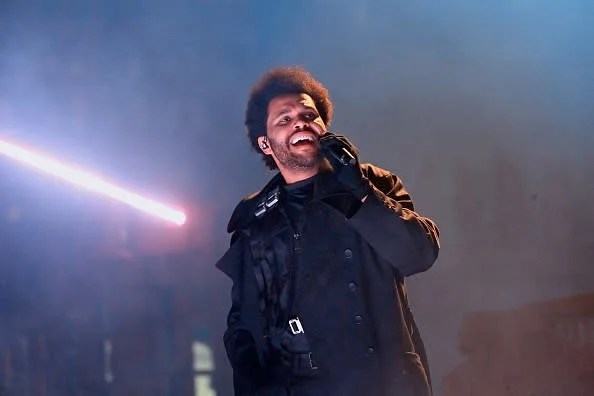
CinemaCon is still, at its heart, a place for showmanship, and 2025 was no exception. Sony brought out the cast of its Beatles cinematic universeâa four-part series on the Fab Fourâs rise to global stardom. Lionsgate staged a musical performance by The Weeknd, tied to his upcoming film Hurry Up Tomorrow. Disney brought 3D glasses and exclusive looks at Elio and Avatar: Fire and Ash. Universal stunned with a live orchestra. And Blumhouseâs Jason Blum donned a bear costume to hype Five Nights at Freddyâs 2, proving the genreâs continued dominance.
On the exhibition side, vendors flooded the trade floor with futuristic theater techâfrom automated cocktail bars to reclining luxury seating and Dolby-enhanced sound systems. The atmosphere, somewhere between CES and a comic convention, reinforced the industry’s goal: to make going to the movies feel like an event again.
Industry Reflections: Windows, Incentives & the Future

Beyond studio showcases, CinemaCon 2025 also leaned into policy and advocacy. MPA CEO Charles H. Rivkin made an impassioned call for federal production incentives, noting how international destinations are luring U.S. productions with aggressive tax programs. While California’s own film tax credit program is setting records, Rivkin said Washington, D.C., needs to do more to keep America competitive.
Meanwhile, NATO President Michael OâLeary called for a universal theatrical window of 45 days, a reset from the shorter, pandemic-era gaps between theatrical and streaming. “There must be a baseline,” he said, calling for clearer expectations for both audiences and stakeholders.
And while politics werenât a major part of the week, Rivkin acknowledged the shifting ideological landscape. Hollywood’s relationship with government remains complicated, but the goal remains clear: protect jobs, encourage production, and reaffirm the theaterâs role as a cultural cornerstone.
THE CINEMA GROUP
YOUR PREMIER SOURCE FOR THE LATEST IN FILM AND ENTERTAINMENT NEWS