Nicholas Pileggi and Barry Levinson Craft a Tense Crime Epic Rooted in Loyalty, Power, and Betrayal
If youâre going to take a shot at the king, youâd better not miss. That sentiment, echoed through mafia lore and pop culture, is at the heart of The Alto Knights, a fiercely compelling gangster epic that unites some of the genreâs heaviest hitters: Goodfellas screenwriter Nicholas Pileggi, Bugsy director Barry Levinson, and acting titan Robert De Niro in a bold dual role.
This audacious casting moveâDe Niro embodying both underworld titans Frank Costello and Vito Genoveseâdelivers a gripping hook, elevating The Alto Knights beyond standard crime drama fare. Set against the backdrop of a shifting American mafia, the film unravels decades of alliances and betrayals that culminate in one of the most pivotal moments in organized crime history.
A Power Struggle That Shook the Mafiaâs Foundations

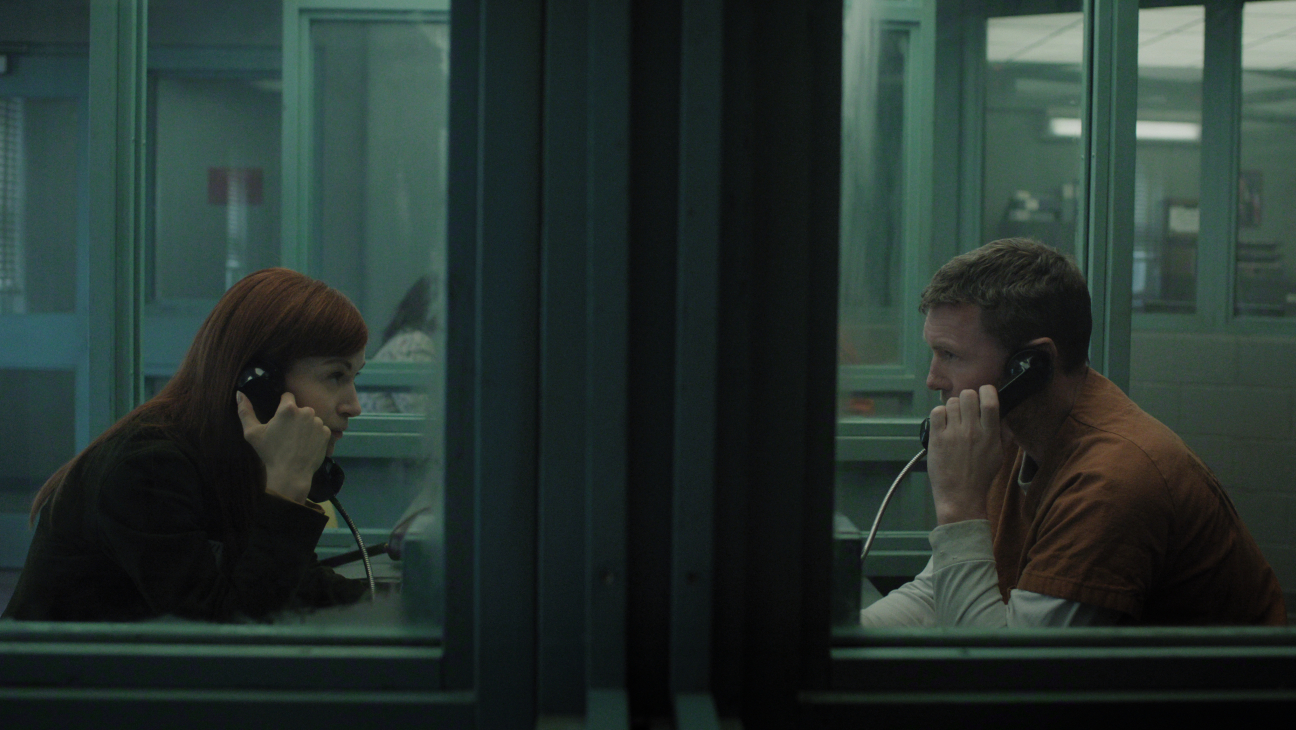
Opening in 1959 with a botched execution attempt on Frank Costello in the lobby of his New York apartment building, The Alto Knights immediately establishes its high stakes. Miraculously, the bullet bends around Frankâs skull, leaving him aliveâbut with a clear message. His longtime friend-turned-rival, Vito Genovese, has broken one of the mafiaâs cardinal rules by attempting to take out another boss. Frank, however, refuses to talk to the police. Instead, he plots a quieter, more calculated form of revengeâone that would expose the existence of the mafia to the world in ways never seen before.
From here, Pileggiâs intricately woven script rewinds to chart the rise of both men, tracing their ascent from Prohibition-era street hustlers to top-tier members of the Cosa Nostraâs ruling Commission. Working for Charlie “Lucky” Luciano, Frank and Vito operate as almost-brothers in crime, until Vito’s impulsive actions land him in exile, leaving Frank to assume greater power. But once Vito returns, the friendship fractures into outright war.
Two Sides of the Same Coin: De Niroâs Dual Triumph

Playing two larger-than-life figures, De Niro crafts distinct portrayals of Frank and Vito, ensuring they feel like separate individuals rather than a mere acting gimmick. Frank, the pragmatic and polished operator, thrives in the gray area between the criminal underworld and political legitimacy, his wealth and influence shielding him from true consequences. Vito, on the other hand, is a volatile force of nature, a man who believes power is best wielded through brute force and fear.
The challenge of differentiating these characters is met with subtle brillianceâFrankâs refined air contrasts with Vitoâs menacing presence, bolstered by expert prosthetics and wardrobe choices. De Niro’s portrayal transcends mere physical transformation; he internalizes their conflicting worldviews, making their eventual face-off feel less like a special-effects trick and more like the collision of two titanic wills.
The Mafiaâs Lasting Influence on America

Unlike the operatic tragedy of The Irishman or the youthful swagger of Goodfellas, The Alto Knights leans into the banality of crime at the highest levels. Levinsonâs direction strips away much of the genreâs romanticism, revealing mafia bosses as aging, petty, and at times, downright absurd. The filmâs humor, particularly in scenes featuring Frank and Vito engaging in passive-aggressive power plays, adds an unexpected but welcome levity.
Supporting performances add richness to the worldâDebra Messing delivers a nuanced turn as Frankâs loyal but aware wife, Bobbie, while Cosmo Jarvis brings a menacing presence as Vitoâs enforcer, “The Chin.” A standout sequence involving Vitoâs disastrous courtroom exchange with his ex-wife (played masterfully by Kathrine Narducci) further underscores the filmâs tonal dexterity, balancing high-stakes drama with moments of almost farcical tension.
POPULAR ON THE CINEMA GROUP
Pileggiâs script is brimming with meticulously researched details, from the rigged gambling operations to the infamous Kefauver hearings, which forced the mafia into public consciousness. The film doesnât just chronicle a power struggleâit illustrates how these figures shaped the political and economic landscape of mid-century America.
A Late-Career Triumph for De Niro and Levinson

Unlike The Irishman, which relied heavily on CGI de-aging, The Alto Knights takes a more grounded approach, using practical effects and traditional filmmaking techniques to traverse decades. Dante Spinottiâs cinematography evokes a rich, lived-in texture, capturing the smoky backrooms and neon-lit nightclubs with a painterly elegance. Editor Douglas Crise keeps the multi-decade narrative cohesive, ensuring the film never loses momentum despite its sprawling scope.
Levinson, whose work spans Rain Man to Wag the Dog, directs with a steady hand, proving that experience and craftsmanship still matter in an era of over-reliance on digital trickery. His restrained yet confident approach ensures The Alto Knights doesnât simply mimic past mafia classics but carves out its own space in the genre.
With powerhouse performances, razor-sharp writing, and an unflinching look at crimeâs inevitable cost, The Alto Knightscements itself as a compelling addition to the gangster canon. It may not rewrite the rules, but it plays them masterfully.
RATING: â â â â â
THE CINEMA GROUP
YOUR PREMIER SOURCE FOR THE LATEST IN FILM AND ENTERTAINMENT NEWS