Monica Barbaroâs transformation into folk legend Joan Baez in A Complete Unknown is as compelling as it is courageous. Known primarily for her acting, Barbaro took on the monumental challenge of portraying Baez, a cultural icon with a signature vocal style that has captivated audiences for decades. Without prior singing experience, she faced the daunting task of embodying Baezâs unique sound while performing live for the film, all under the guidance of acclaimed director James Mangold. The film, which also explores Baezâs intricate relationship with Bob Dylanâportrayed by Timothée Chalametâprovided Barbaro with the opportunity to delve into the complexities of Baezâs life and career.
From the very start, Barbaroâs journey was a testament to her determination and willingness to step outside her comfort zone. Auditioning for a role that demanded vocal precision, she approached the process with a blend of courage and humility. Collaborating with vocal coach Eric Vetro, Barbaro worked tirelessly to master Baezâs iconic vibrato and high-pitched melodies. Her dedication extended beyond technical training, as she immersed herself in Baezâs world, analyzing her music and finding emotional connections to her lyrics.
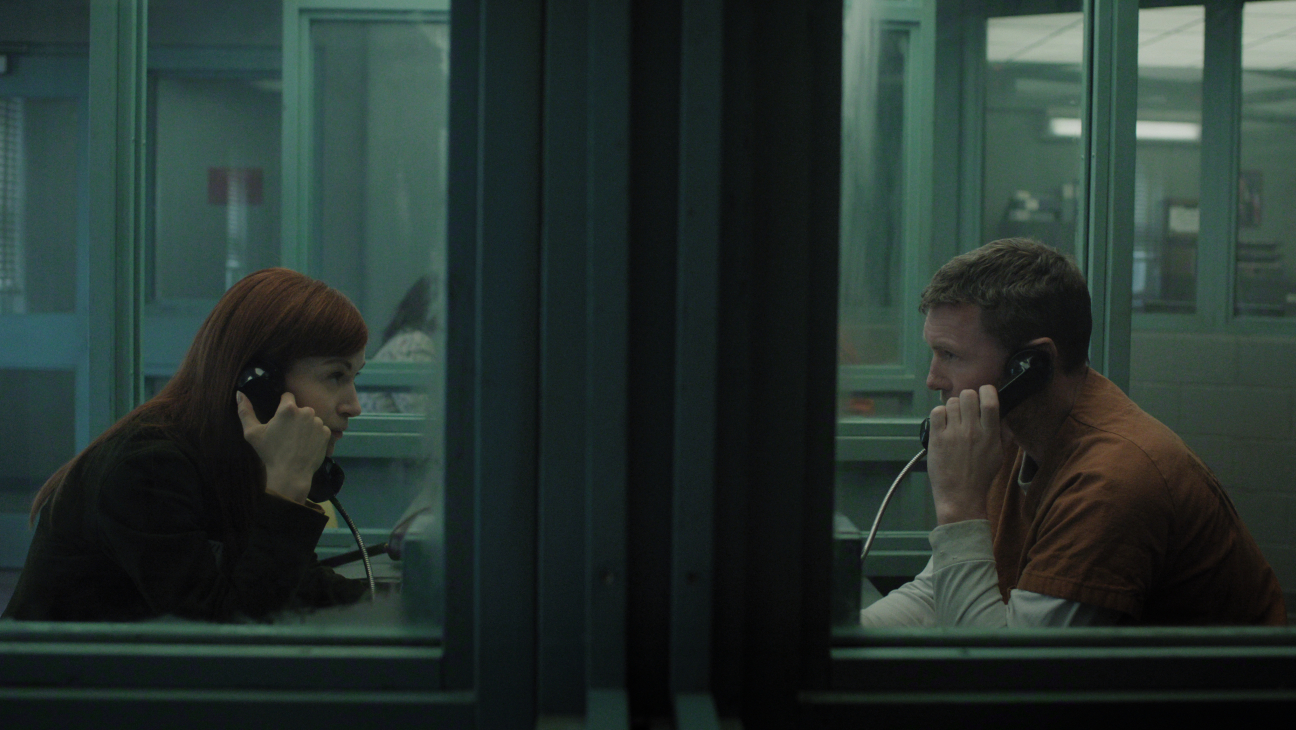
One pivotal moment came when Barbaro decided to reach out to Baez herself. Inspired by recurring dreams of camaraderie with the folk legend, she contacted Baez, resulting in a heartfelt phone conversation. This interaction provided Barbaro with invaluable insight into Baezâs openness and authenticity, reinforcing her respect for the artistâs legacy. It also gave her the confidence to navigate the challenges of portraying Baez on screen, blending the iconâs vibrant personality with her own creative interpretation.
The film not only highlights Baezâs artistry but also her complicated dynamic with Dylan, exploring themes of fame, vulnerability, and artistic collaboration. Barbaroâs portrayal brings these nuances to life, creating a character that feels both genuine and layered. Her ability to channel Baezâs spirit while embracing her own imperfections adds a refreshing depth to the role, making her performance one of the standout elements of the film.
There are many jaw-dropping anecdotes about Monica Barbaroâs improbable road to portraying the legendary Joan Baez in âA Complete Unknown.â First off, she auditioned for director James Mangold, knowing she wasnât a singer. Truth be told, she had barely sung professionally in any capacity. That was gutsy. Secondly, she had to face genuine fears of living up to Baezâs signature vocal singing style, performing live no less. And then, lastly, speaking to Baez herself. Especially after Baez had already documented her rocky relationship with Bob Dylan, portrayed by Timothée Chalamet in the movie.
Barbaro admits she wasnât sure if she wanted to reach out to Baez or not. Once filming started, however, she started having dreams about the folk music icon. Specifically, dreams about them hanging out and always having a great time.
âI was pretty sure my subconscious was just trying to tell me that it would be O.K. to reach out,â Barbaro reveals. âEd Norton knew her and referenced things that she had told him very generously about this time, about Pete Seeger. And so I felt like the most Joan thing to do would be to reach out. So, I did that, and we had a brief but very beautiful phone conversation, or it was beautiful to me. It was absolutely wild to hear her voice over the phone. And yeah, sheâs very open in her memoirs and documentaries. Itâs the folk scene. Thereâs just authenticity within all of them, and thatâs what they hold in high regard. So, theyâve been very honest about their relationship with each other. And anything else she said thatâs not in her memoir. I wouldnât repeat it here because itâs private. Thereâs a lot out there about how she felt about him, and theyâve both expressed a lot of honesty about that time. So, I didnât feel like there were any major walls that I had to break through or get to the bottom of something that she just wasnât revealing.â
This interview has been edited for length and clarity.
The Playlist: Your performance in this movie, and Iâm not being hyperbolic, is literally one of my favorites of the year. I thought you were utterly fantastic.
Monica Barbaro: My God, thank you. Thank you for saying that.
The Playlist: Correct me if Iâm wrong, you havenât done any singing in film or television before, have you?
Monica Barbaro: No, I sang a tiny thing in a part of a show one time. It was a really easy song to sing. I think I sang a note in another thing, but all in just sheer terror and all underdone and nothing like this, and I didnât really seek training for those situations. Yeah, so pretty much, no, no, I wasnât a singer.
The Playlist: This audition comes your way was it just like, âI know I can do this, I know I can sing.â Or did you not know that was part of the audition when you originally were approached?
Monica Barbaro: Oh, no, I sang for the audition. I think itâs just that actor, that slight insanity where you just sort of believe at least momentarily that you can do anything, or at least, I think I could pull it off at the end of the day. Yeah, it didnât really dawn on me the shoes that I was trying to fill until I was cast in the role. I had come to love Joanâs voice and put her on a pedestal, and then I was completely terrified. But for the audition process, yeah, I sang. I knew I was supposed to sing and just gave it a shot.
The Playlist: When you knew you were making the movie and you were definitely going to be singing live, did you feel like you had to try to embody Joanâs voice?
Monica Barbaro: I still donât even really have a very close, comprehensive relationship with my own singing voice. I think thatâs something that Iâve been interested in on the backend, just sort of finding where I like that my voice might sit. This process was really mostly just trying to hone in on Joanâs sound or at least get as close as possible. To do that, I worked with a wonderful vocal coach by the name of Eric Vetro, who had the experience under his belt to discuss with me that we had to just get Joanâs more iconic qualities of her voice. Sheâs known for having that really tight vibrato. Sheâs known for, especially in this time, singing in really high keys that I could notâ¦.at the time I sang for the audition, I sang âHouse of the Rising Sun,â I think, a whole step down. And so, just trying to yet the musical proficiency level to get just those recognizable entities of her voice down. And then from there, of course, she plays beautifully with dynamics. Her lyricism is just gorgeous. And so, at a certain point, Eric really encouraged me to process the meanings of the songs. And I just tried to consider why does Joan, for instance, hover on the word sister in her version of âHouse of the Rising Sunâ? And youâre like, âWhat might that mean to her?â And that was coinciding with tons of research. And so yeah, it was just sort of a step-by-step process of grabbing everything I could about her and just trying to embody that as closely as possible.
The Playlist: Itâs very well known that Joan and Bob have a complicated relationship. Did you reach out to her? Or was that sort of like, âHey, this is Bobâs project,â do your sort of research and move on?
Monica Barbaro: For a long time, I wasnât sure what I wanted to do. And then, actually, we had started filming, and I kept having dreams about her and specifically dreams where we would hang out, and we always had a great time. And so I was pretty sure my subconscious was just trying to tell me that it would be okay to reach out. Ed Norton knew her and referenced things that she had told him very generously about this time, about Pete Seeger. And so I felt like the most Joan thing to do would be to reach out. So, I did that, and we had a brief but very beautiful phone conversation, or it was beautiful to me. It was absolutely wild to hear her voice over the phone. And yeah, I mean, sheâs very open in her memoirs and documentaries. Itâs the folk scene. Thereâs just authenticity within all of them, and thatâs what they hold in high regard. So, theyâve been very honest about their relationship with each other. And anything else she said thatâs not in her memoir. I wouldnât repeat it here because itâs private. Thereâs a lot out there about how she felt about him, and theyâve both expressed a lot of honesty about that time. So, I didnât feel like there were any major walls that I had to break through or get to the bottom of something that she just wasnât revealing.
The Playlist: I know you want to keep some things private, but was there anything that she told you maybe that is public knowledge that you hadnât really fixated on that you sort of left that conversation saying, oh, I need to think about this as I sort of move forward?
Monica Barbaro: Well, a couple of things. I mean, one little moment of connectivity that I really loved was when I was asking about these brilliant arrangements she had of particular songs, like tuning a step down for âHouse of the Rising Sun,â and where did she get that? And just almost as a point of intrigue more than anything. And she was talking about training and how she would fall asleep. She would be playing her guitar for so long sheâd fall asleep with it and then wake up in the morning and grab it and keep playing. And I was like, âOh my God, Iâve done that.â I just thought that was cool. Again, I just felt really connected with her. And then, at one point, I think I was trying to sort of express to her in some way without saying too much that it was a movie about Bob Dylan ultimately. And that I am sort of doing everything I can to advocate for who Iâve learned that she is. And at one point, she was like, âIâm just in my backyard listening to the birds.â And for me, that was just a sign of âI have my own life.â She was not hell-bent on trying to prove something with this movie. She definitely wasnât trying to control any of my impressions of her, and sheâs not really tied up in what we say about her. She is Joan, and she is a legend. And I have so much respect for her, but knowing that kind of allowed me to, I think, sort of walk through this door and come out on the other side as, yes, maybe a version of her, but just sort of embrace what I knew to be her essence and then have fun with it.
Monica Barbaro: At one point in a New Yorker article, as she was releasing a book of illustrations, she said that you canât try to make the drawing too perfect because the moment you do that, you rob it of what makes it interesting and creative, human, all of that. I just tried to remember that as I went along that, youâre not going to get her. Itâs not going to be perfect. Youâre not going to be Joan, but you can take your understanding of her and trust that and then breathe life into it. The last thing I wanted to do was rob her of her colorful, spirited personality.
The Playlist: One of the things I love about the film and your performance is she was, in many ways, she was a female pop star who was ahead of her time. I think so many younger people will see this film and not realize how big she was then. What about her career surprised you the most in the research you did?
Monica Barbaro: Itâs interesting. I feel like itâs the duck paddling on water because I think to people, she seemed really confident and calm and graceful and almost spiritually on another level angelic. But then she talks about having a lot of stage fright, and I think I kind of related to that in a way. I think sometimes I feel like a mess, and then I watch something back, and Iâm like, âOh, there seemed to be some kind of ease from here up.â And so I found that to be really interesting, and I sort of just played with that dynamic a bit, and I think maybe some takes appeared more confident, and some takes probably revealed some of that stage fright and some of maybe what I was trying to process as her in the moment. But then, of course, you just trust your brilliant director, James Mangold, to take whatever youâre doing and run with it and put together whatever version of Joan that he wants her to be because, at the end of the day, this is his version of this story.
The Playlist: Granted, itâs in front of extras or recruited audiences, but you have all these big audiences where youâre singing live, and youâve already mentioned thatâs not your forte. Did you have stage fright?
Monica Barbaro: Oh god, yeah. Huge amounts of stage fright, and I just tried to make sure they werenât completely debilitating. And the way of doing that for me was just to keep practicing and obsessing, really, and then trying to let go. The conversation I had with Joan was actually the night before I performed for a live audience for the first time. And yes, they are extras, and yes, theyâve been told to either be fans or be contentious with us. The Pittsburgh scene with Timmy was really fun because they were booing and yelling at us, and we had incredible background artists in this movie, but theyâre also New York background artists, and that means a lot of them are also musical theater majors and singers. And people would come and be like, âOh, Iâm a singer,â and youâre like, âSorry.â At one point, I think I looked out on the day I did âDonât Think Twice, Itâs All Right.â I was like, âDoes anyone play guitar? Are you tracking when I mess up a chord?â And a few people were like, âYouâre doing great.â They were really supportive, probably because they were supposed to be, but yeah, itâs terrifying. Itâs terrifying to do any of that in front of people. And I lucked out when I got to perform next to Timmy because whether our characters are contentious or not in any given scene, I just felt very supported by the work that he had done and the sound of our voices together as Bob and Joan and his playing. He had just been so thorough with his process, and I just felt very supported by him, and it was a lot of fun to get to perform with him.
The Playlist: From your perspective, why do you think Joan was so fascinated and enamored with this young Bob Dylan that she met?
Monica Barbaro: In a way, he has this magnificent charisma that was just very natural to him. But I think at the time, she was like you had said, she was at the height of her career. She was world-renowned on the cover of Time, but I think she was hoping to say more with music. I think she understood that she had this big platform and a lot of attention, and I think she grappled with her relationship with fame. She was singing beautiful songs with deep messaging, but I think she wanted to say more, and I think she wanted to say more about what was going on at the time and in a fresh way. And I think Bob was putting words to things that she was trying to say. He had the poetry to explain, I think, a lot of what she was feeling. And so I think she was just really drawn to him in that way. She was drawn to his, what people have sort of called protest music, and everything he was saying about society. I think we all are.

Monica Barbaroâs journey in A Complete Unknown is a powerful reminder of the transformative nature of acting. By stepping into Joan Baezâs shoes, she not only confronted her own fears but also paid homage to a trailblazing artist who defined an era. Through rigorous preparation and heartfelt performances, Barbaro captured Baezâs essence, proving that true artistry often lies in embracing imperfection and trusting the process. Her connection with Baez, both musically and emotionally, shines through in every scene, adding authenticity and resonance to the film.
Her live performances, supported by Timothée Chalametâs portrayal of Bob Dylan, highlight the chemistry and tension that defined Baez and Dylanâs real-life relationship. These moments offer a glimpse into the emotional and professional challenges faced by two legendary artists at the height of their fame. Barbaroâs ability to balance vulnerability with strength adds a compelling layer to Baezâs character, making her performance a highlight of the movie.
What stands out most about Barbaroâs portrayal is her willingness to embrace the imperfections of the process. By focusing on Baezâs colorful, spirited personality rather than striving for exact replication, she created a version of the folk icon that feels alive and relatable. Her approach underscores the importance of authenticity in storytelling, reminding viewers of the human complexities behind larger-than-life figures.
In A Complete Unknown, Monica Barbaro delivers a career-defining performance that captures the essence of Joan Baezâs artistry and spirit. Her dedication to the role, combined with her willingness to confront personal and professional challenges, makes her portrayal a true standout. This film serves as both a tribute to Baezâs enduring legacy and a testament to Barbaroâs talent, ensuring audiences leave the theater moved and inspired.
A Complete Unknown is now playing nationwide.
read our Review of A Complete Unknown
Tickets on Sale Disclosure: When you purchase tickets for A Complete Unknown through our site, we may earn an affiliate commission.
A Complete Unkoewn
Director: James Mangold
Cast: Monica Barbaro, Timothée Chalamet, Ed Norton, Elle Fanning
Genre: Biographical Drama
Release Date: December 25, 2024
THE CINEMA GROUP – YOUR PREMIER SOURCE FOR THE LATEST IN FILM AND ENTERTAINMENT NEWS. FOLLOW US ON SOCIAL MEDIA @THECINEMAGROUP